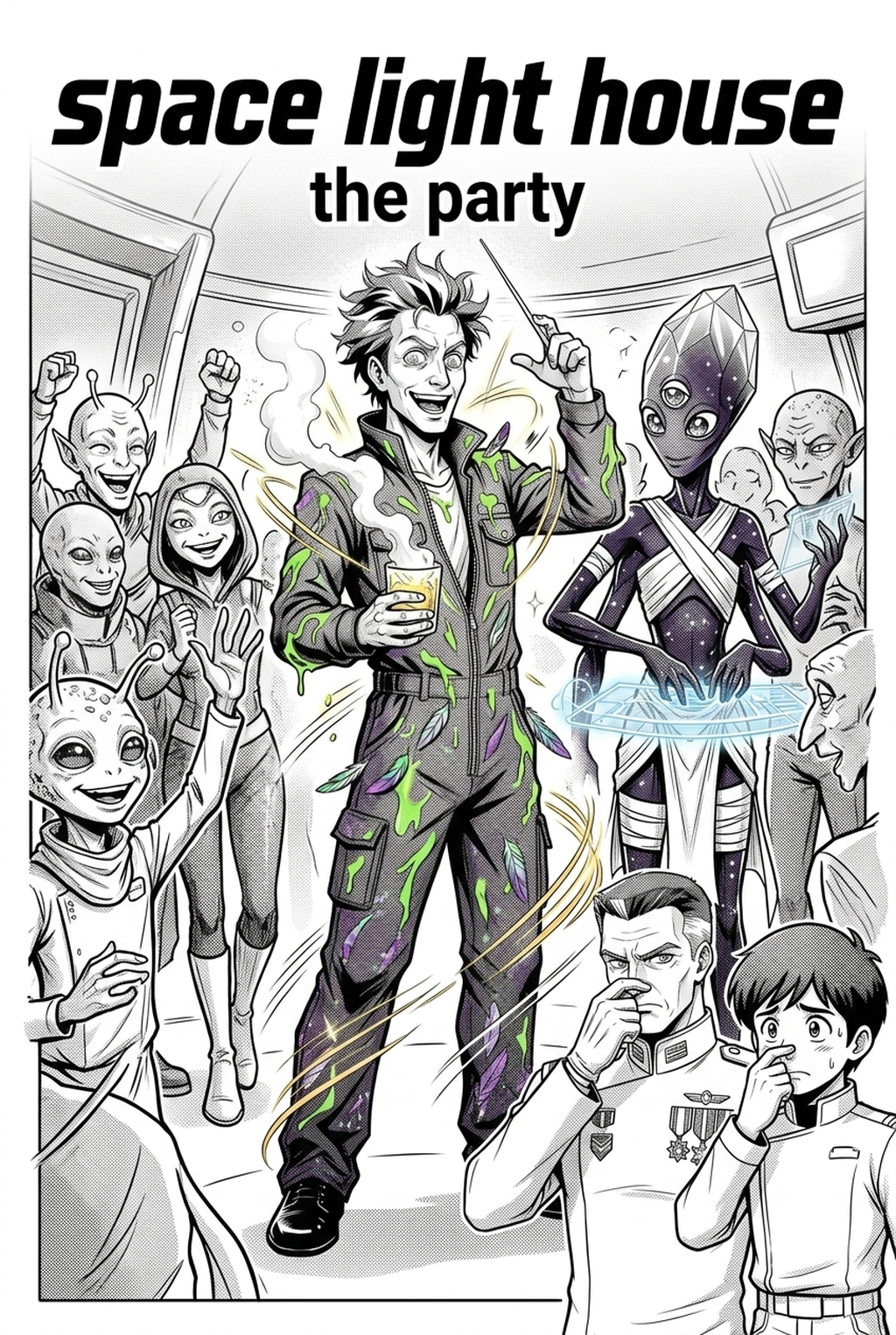
What AI Manga Inker Means for Creators
Creators need practical context before they can judge whether Shonen manga inking belongs in their production process. You should connect each recommendation to the story goal, visual decision, review owner, and export outcome. This keeps the review focused on story intent, line weight, panel readability, and the export quality behind the final AI Manga Inker output.
Creative Decisions to Export Quality
AI Manga Inker workflow should solve a specific creator problem instead of repeating a broad manga workflow. The first decision is to separate hero, rival, mentor, power-up, and costume-continuity decisions before export. Creators should then compare the result against story role, panel readability, and export quality so the output survives real reader scanning.
AI Manga Inker should stay tied to the creator's brief, panel purpose, and export review instead of becoming a broad AI-art checklist. The next check is to separate hero, rival, mentor, power-up, and costume-continuity decisions before export, because a strong manga result needs both visual appeal and production discipline.
Creators should also save the reason behind each accepted output, not just the final image. A short note about panel purpose, character continuity, line weight, and export format makes later revisions easier because the next pass can improve a specific weakness instead of regenerating the whole page.
Why Inking Quality Shapes Shonen Panel Readability
Creators lose time when rough sketches, line weight, panel readability, and export cleanup are reviewed in separate passes. You should judge creator workflow by how much first-pass cleanup it removes without weakening the story beat or character intent.
Prioritize Creative Risks by Reader Impact
For this criterion, check character consistency, panel readability, line quality, and export readiness before publishing. Creators should also record why the page passed review, which panel details still need manual cleanup, and which export format the next collaborator will use. That makes the subsection useful instead of leaving a short checklist under a large heading.
How Creators Should Evaluate AI Inking Workflows
Creators get cleaner output when setup, generation, and export review happen in a predictable order. You can reduce redraw time by confirming the brief, reference limits, panel purpose, and final file needs before the first production run.
Mangaka Features and Export Review
For this criterion, check character consistency, panel readability, line quality, and export readiness before publishing. Creators should also record why the page passed review, which panel details still need manual cleanup, and which export format the next collaborator will use. That makes the subsection useful instead of leaving a short checklist under a large heading.
How Mangaka Supports Shonen Line Art Review
If your main pain point is rough sketches, line-weight drift, unclear panels, inconsistent characters, or export cleanup, Mangaka should be judged against those exact problems. Mangaka connects the creator brief to manga-specific output so creators can review readability, style consistency, and export quality together.
Line Quality Through Revision
For product fit, Shonen manga inking should answer the exact creator pain points: rough sketches, line-weight drift, panel readability, character consistency, and export cleanup. Converts pencil sketches into clean inked line art automatically. That keeps the first pass close enough for creator review instead of forcing the artist to redraw the whole page. The next check is to separate hero, rival, mentor, power-up, and costume-continuity decisions before export, because a strong manga result needs both visual appeal and production discipline. Finally, creators should define one approval owner before the result is shared so revision notes stay tied to the actual page or character goal.
Validate Line Quality and Export Handoff
Release pressure changes how manga-production tools should be judged because speed has value only when the page remains readable. Anime News Network manga industry coverage shows why chapter cadence can make panel clarity a production constraint.
Reader expectations matter when a tool changes character acting, page rhythm, or visual continuity. MyAnimeList manga news reflects genre expectations, so the quality comparison should stay tied to what readers can follow on the page.
Export quality depends on whether the creator can still adjust cleanup, line weight, and handoff settings after AI assistance. Wacom comic and manga creation guidance ties that point to drawing practice instead of broad AI-image claims.
For setup, creators should define the scene goal, character references, page count, reading direction, and target manga pages. That gives AI Manga Inker enough context to support the story instead of producing disconnected panels. The goal is to make each revision decision useful for creators, assistants, and collaborators before the page moves into publishing or sharing.
For visual quality, creators should check line weight, facial expression, pose clarity, panel order, and space for dialogue before export. Those checks matter more for manga pages because action beats and emotional pauses need to read quickly.
For comparison, a useful tool should save time without flattening the creator's style. The best choice keeps the first pass editable, makes revisions visible, and leaves final judgment with the artist. That extra context helps the reader connect the creative choice to character consistency, composition, speech-bubble space, and final file format.
For production, creators should keep a small reference sheet for recurring characters, outfits, props, and backgrounds. That makes it easier to compare generated pages and decide which panel needs a redraw. For manga creators, the practical value comes from reducing redraw loops before the artwork reaches a reader-facing page or reusable asset.
For export, creators should confirm the final PNG, PDF, or editable file can move into lettering, coloring, or layout cleanup without rebuilding the page. A clear export routine keeps the next chapter faster. This keeps the review focused on story intent, line weight, panel readability, and the export quality behind the final AI Manga Inker output.
For team review, creators should separate story feedback from art feedback. One pass can focus on pacing, another on panel readability, and a final pass on file quality before publishing or sharing. The goal is to make each revision decision useful for creators, assistants, and collaborators before the page moves into publishing or sharing.
For style control, creators should compare the generated page against the intended genre mood rather than judging only technical polish. A clean page still needs the right energy, expression, and visual rhythm. That extra context helps the reader connect the creative choice to character consistency, composition, speech-bubble space, and final file format.
The Bottom Line
A useful inking pass keeps the story goal, visual style, and review step clear before export. AI Manga Inker gives creators a faster first pass without removing the final human review. For manga creators, the practical value comes from reducing redraw loops before the artwork reaches a reader-facing page or reusable asset.
Start creating with Shonen manga inking when you are ready to turn the reviewed idea into finished manga pages. Test it with one real page goal, one reference boundary, and one export requirement so the decision stays tied to production quality.
Discussion