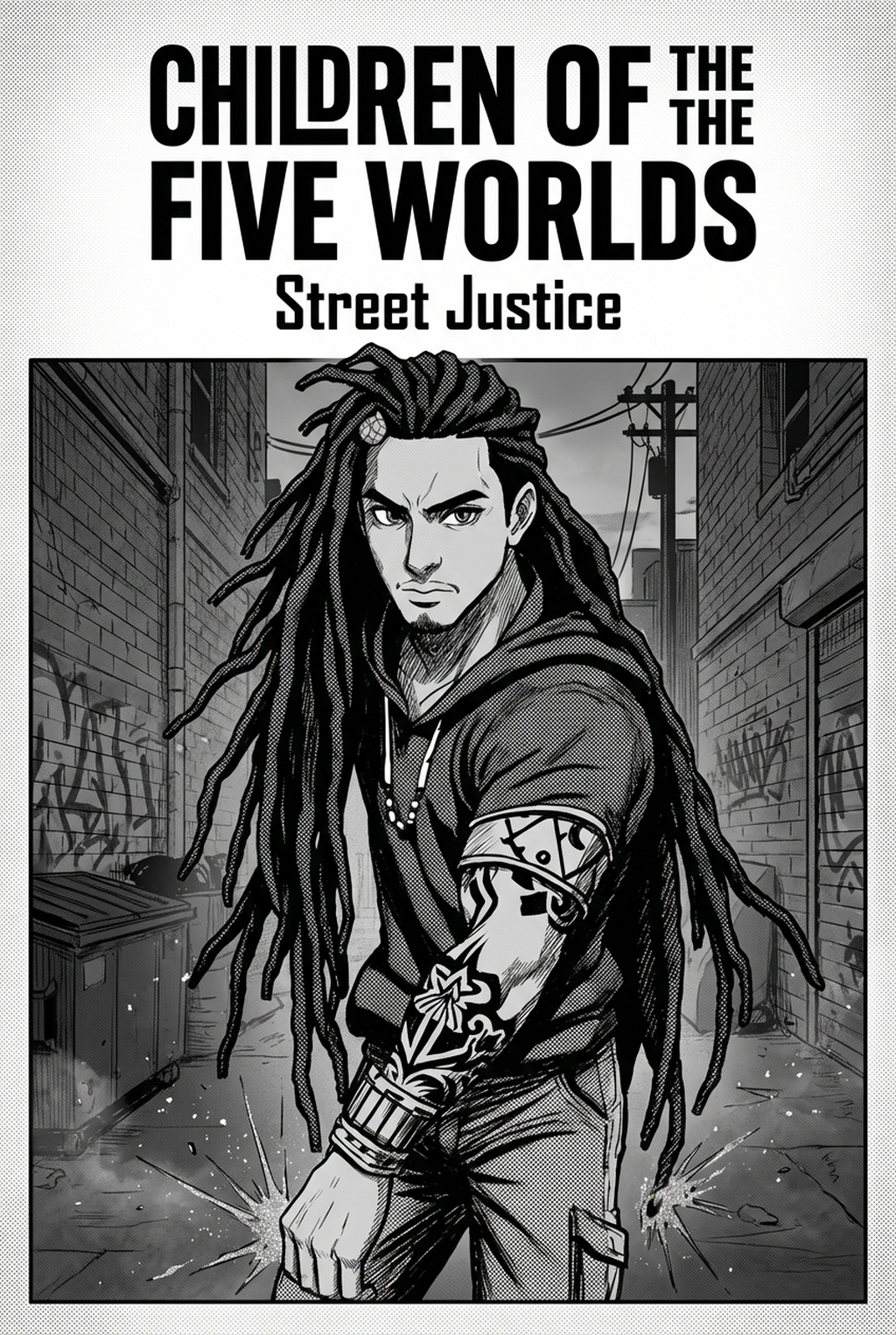
AI Manga Style Transfer: What Mangaka Brings to Creators
The Anime News Network feature on how manga is made describes manga as staged work from rough draft to finished page. That production context matters for Seinen creators because AI assistance is useful only when the sketch, inking pass, and final page review stay connected.
AI Manga Style Transfer for Seinen manga helps creators choose the right Mangaka workflow for cleaner pages, steadier style, and review-ready output. The comparison starts with production speed, manual control, line quality, and export readiness because those factors shape whether a page can move into final review.
You spend hours sketching the perfect composition, but the transition to final inks can feel like a mechanical hurdle rather than a creative one. Mangaka is designed to act as the bridge between your intuitive character blocking and the refined, screen-tone-ready aesthetic required for professional publication.
Workflow Fit for Creator Output
Your creative output is the priority, which is why the tool focuses on honoring your original linework rather than replacing it with generic generation. By applying high-fidelity style transfer to your initial sketches, you can see exactly how shadows, line weight, and background depth will manifest in a Seinen aesthetic before committing to hours of manual detailing. This allows for rapid iteration of complex scenes where perspective and character density are high.
Review Controls Before Export
True creative control is lost if a tool forces a "black box" output onto your page. AI Manga Style Transfer for Seinen manga with Mangaka includes specific controls that let you adjust the intensity of the style transfer, ensuring that your original intent—such as a character’s specific expression or a crucial piece of environmental storytelling—remains intact throughout the refinement process. You retain the ability to pull back on the AI’s influence, keeping your unique artistic fingerprint visible in every final panel.
Optimizing AI Manga Style Transfer Output
If you want to move beyond basic transformations, you must treat your input data with the same care as a traditional pen-and-ink setup. Achieving a professional Seinen look requires high-contrast source material that allows the AI to distinguish between organic character shapes and rigid, detailed backgrounds.
Creative Decisions and Export Quality
When preparing your panels, prioritize line weight variation in your sketches. Seinen art often relies on thick, bold outlines for foreground subjects contrasted against finer, more intricate background hatching. By providing the AI with clear, distinct linework, you ensure that the style transfer engine produces clean, crisp results that require minimal post-export cleanup.
Workflow Fit and Review Needs
Utilize the review interface to cycle through various refinement depths. Much like a traditional editor reviewing rough drafts, you should inspect panels for "bleeding" where the AI might misinterpret background noise as character anatomy. Adjusting these settings during the transformation phase saves you from having to rework entire sections in your primary painting software later.
Use Cases
Understanding where to apply AI intervention is the difference between a tool that assists you and a tool that creates more work for you. This keeps the review focused on story intent, line weight, panel readability, and the export quality behind the final AI Manga Style Transfer output.
Scenario Fit and Creator Goals
- Complex Backgrounds: Rapidly render architectural elements from simple perspective blocks. * Crowd Scenes: Maintain character consistency in the background of busy urban settings. * Drafting Mood: Visualize the "feel" of a scene by testing different ink intensities before committing to a final page style. * Tone Matching: Ensure consistency across chapters by keeping a unified aesthetic profile for your recurring characters.
Page Cases and Manga Genre Fit
AI is a powerful force, but it cannot replace your decision-making in high-stakes storytelling. You must remain the primary author for:
- Micro-Expressions: Small, deliberate facial cues that communicate subtle psychological shifts. * Action Pacing: The deliberate break of a panel border or the specific distortion of a limb during combat. * Signature Style: Unique stylistic "imperfections" that define your personal brand as a creator.
Pros & Cons
A useful manga workflow ties setup, review responsibility, and export conditions to the page a creator needs to finish. That keeps the decision focused on sketch cleanup, character intent, panel readability, and the publishing handoff.
| Feature | Mangaka | Traditional Manual Process |
|---|---|---|
| Execution Speed | Near-instant style application | Hours per page |
| Consistency | High across panels | Dependent on hand steadiness |
| Artistic Intent | Preserved via sensitivity sliders | Fully controlled by author |
| Technical Barrier | Low, web-based interface | High, requires specialized software |
Publishing Checklist for Creators
Creators need the page problem and review standard in view before choosing a workflow. For manga production, that means checking sketch cleanup, character consistency, panel readability, and export quality together.
Creative Brief and Generation Quality
Audit your project against standard Seinen production requirements. Ensure that your resolution meets print standards—typically 600 DPI for black-and-white line art. Verify that your panels have enough "bleed" for standard printing gutters, and confirm that your dialogue bubbles remain unobstructed by the stylistic hatching added during the transfer process.
Quality Checks Before Export
Check for "hatching artifacts" in open spaces, such as clear skies or blank walls, which can distract the reader from your focal point. Use your software's selection tools to isolate these areas if necessary.
Release cadence belongs in the production context for manga tools. For creators, the useful product question is whether pages stay readable when schedule pressure rises. Export quality depends on whether the creator can still adjust cleanup, line weight, and handoff settings after AI assistance. Wacom comic and manga creation guidance ties that point to drawing practice instead of broad AI-image claims.
Creators should define the scene goal, character references, page count, reading direction, and target Black-and-white panels. That gives AI Manga Style Transfer enough context to support the story instead of producing disconnected panels. ** Creators should check line weight, facial expression, pose clarity, panel order, and space for dialogue before export. Those checks matter more for Seinen pages because action beats and emotional pauses need to read quickly.
- Reader expectations. MyAnimeList manga news keeps genre expectations visible for readers who scan action, character acting, and page rhythm quickly. Shonen inking should preserve panel clarity, not just cleaner lines.
- Drawing practice. Wacom's comic and manga creation guide ties tool choice to brush control, cleanup effort, and export readiness. That keeps review grounded in creator workflow.
The Bottom Line
A useful creator workflow keeps the story goal, visual style, and review step clear before export. AI Manga Style Transfer gives creators a faster first pass without removing the final human review. Creators can use each revision decision to clarify panel readability, character consistency, and export quality before publishing or sharing.
Start creating with AI Manga Style Transfer for Seinen manga when you are ready to turn the reviewed idea into finished manga pages. Test it with one real page goal, one reference boundary, and one export requirement so the decision stays tied to production quality.

Discussion