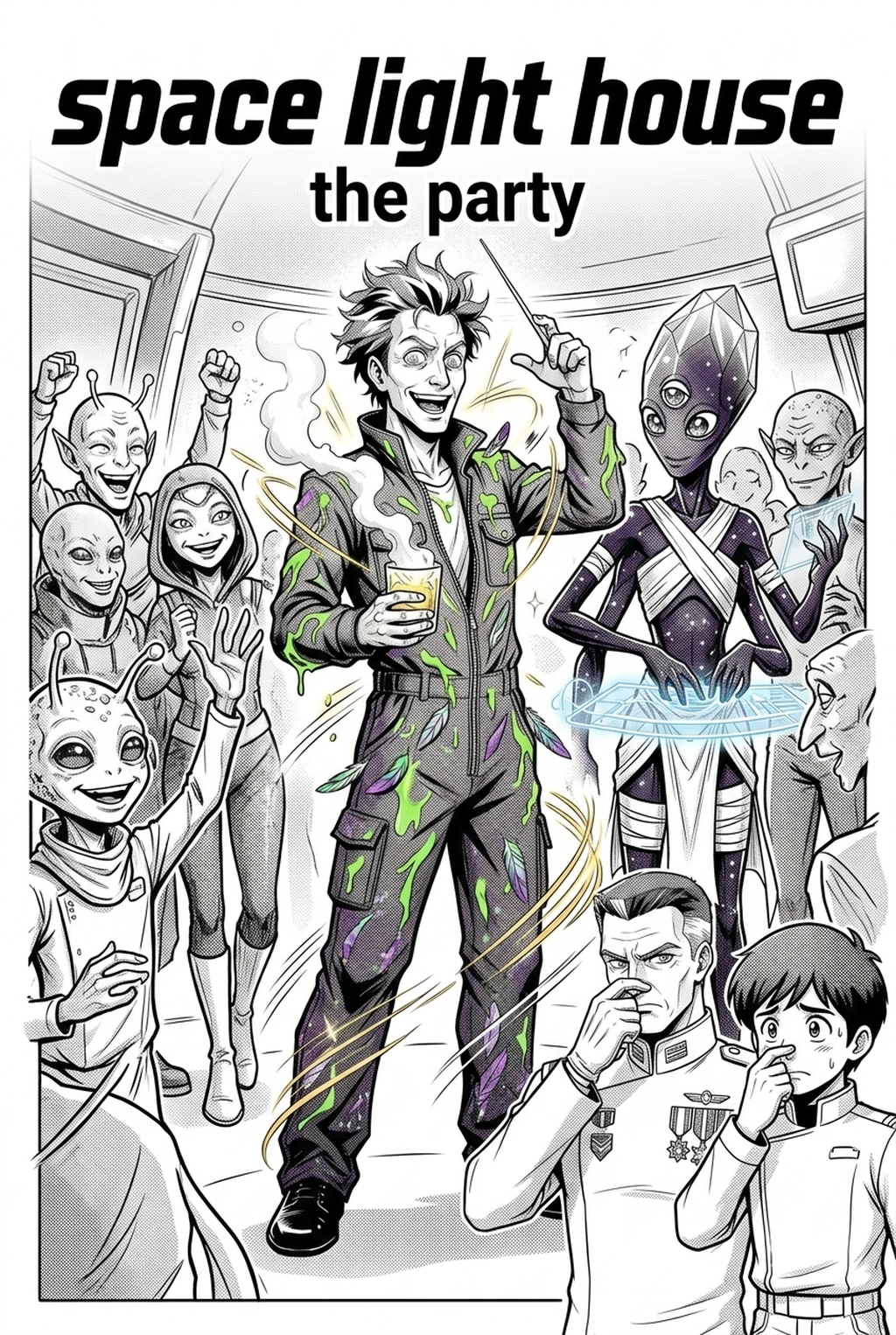
AI Manga Background Artist: Why Convert Scene Description to Background Art
The Anime News Network feature on how manga is made describes manga as staged work from rough draft to finished page. That production context matters for Isekai creators because AI assistance is useful only when the sketch, inking pass, and final page review stay connected.
Scene description to background art manga helps creators choose the right Mangaka workflow for cleaner pages, steadier style, and review-ready output. The comparison starts with production speed, manual control, line quality, and export readiness because those factors shape whether a page can move into final review.
You are often caught between the desire for expansive world-building and the reality of a weekly or monthly release schedule. When your script calls for a high-fantasy tavern or a floating castle, the time required to sketch, ink, and color these environments can delay your entire project.
Reader Expectations and Visual Quality
The demand for high-quality, full-color manga pages creates an immense amount of pressure. To reach your page goals, you need to balance character focus with atmospheric settings. Manual background creation often forces creators to trade off between detailed perspective work and maintaining the pace of the narrative. When you rely solely on manual processes, a single complex architectural shot can stall a week of progress, making it difficult to keep up with the serial nature of modern Isekai manga .
Where Style Consistency Breaks
Maintaining a visual through-line across dozens of chapters is challenging when manual backgrounds are produced sporadically. Small shifts in color palette, brush work, or lighting styles can disrupt the reader's suspension of disbelief. This inconsistency is common when working with multiple assistants or shifting between different software tools.
How Mangaka Handles Scene Description to Background Art
You need a solution that bridges the gap between your imagination and the canvas, moving beyond static libraries of pre-made assets. Mangaka bridges this gap by interpreting your text descriptions and rendering them into finished, manga-ready backgrounds that respect the visual language of the genre.
Workflow Fit for Creator Output
Integrating Mangaka into your workflow allows you to shift from a "drawing from scratch" mindset to one of "creative direction. By inputting specific scene details—such as lighting conditions, architecture style, and time of day—the tool generates high-fidelity art that fits your composition. This keeps you in the driver’s seat of the creative process, allowing you to generate multiple variations quickly to find the perfect angle for your panels at scene description to background art manga with Mangaka .
Review Controls Before Export
You need the ability to fine-tune the output to ensure it matches the tone of your story. This control ensures the perspective is correct and the color temperature aligns with your character color palettes.
Step-By-Step Guide
Following a structured approach ensures your backgrounds remain a tool for storytelling rather than a distraction. This keeps the review focused on story intent, line weight, panel readability, and the export quality behind the final AI Manga Background Artist output.
Creative Brief and Generation Quality
| Phase | Action | Goal |
|---|---|---|
| Concept | Draft descriptive text for the environment. | Capture scale and mood. |
| Generation | Run description through the AI engine. | Create a base background canvas. |
| Integration | Import background and layer your characters. | Combine elements for the final panel. |
Check character consistency, panel readability, line quality, and export readiness before publishing. Creators should also record why the page passed review, which panel details still need manual cleanup, and which export format the next collaborator will use. That makes the subsection useful instead of leaving a short checklist under a large heading.
Quality Checks Before Export
Verify that the background doesn't overwhelm the subject matter. Check your line weight and color saturation against your character assets. If the background is too busy, refine your description to simplify the geometry or shift the focal point toward the action. A successful background should elevate the characters, not compete with them for the reader's eye.
Tips for Cleaner Output
You want your backgrounds to feel like a natural extension of your unique art style, not an obvious digital overlay. Achieving this requires attention to detail during the generation process. Creators can use each revision decision to clarify panel readability, character consistency, and export quality before publishing or sharing.
Creative Decisions and Export Quality
Focus on these three elements to ensure your AI-generated art looks professional:
- Atmospheric Consistency: Use descriptive terms like "soft rim lighting" or "deep shadows" to ground your background in the environment of the scene. * Architecture Integrity: Mention clear structural styles, such as Gothic spires" or "thatched roof rural houses," to give the engine concrete parameters to follow.
Export Checks Before Publishing
Always perform a final check on your output files at full resolution. Ensure there are no artifacts that draw attention away from the character's facial expressions or movement. Verify that the color grading matches your established chapter palette so the transition between scenes remains fluid. When everything aligns, you are ready to composite the final piece for publication.
Release cadence belongs in the production context for manga tools. For creators, the useful product question is whether pages stay readable when schedule pressure rises. Export quality depends on whether the creator can still adjust cleanup, line weight, and handoff settings after AI assistance. Wacom comic and manga creation guidance ties that point to drawing practice instead of broad AI-image claims.
- Setup Readiness. Creators should define the scene goal, character references, page count, reading direction, and target Full color manga. That gives AI Manga Background Artist enough context to support the story instead of producing disconnected panels.
- For Visual Quality. Creators should check line weight, facial expression, pose clarity, panel order, and space for dialogue before export. Those checks matter more for Isekai pages because action beats and emotional pauses need to read quickly.
- For Comparison. A useful tool should save time without flattening the creator's style. The best choice keeps the first pass editable, makes revisions visible, and leaves final judgment with the artist. That extra context helps the reader connect the creative choice to character consistency, composition, speech-bubble space, and final file format.
- Reader expectations. MyAnimeList manga news keeps genre expectations visible for readers who scan action, character acting, and page rhythm quickly. Shonen inking should preserve panel clarity, not just cleaner lines.
- Drawing practice. Wacom's comic and manga creation guide ties tool choice to brush control, cleanup effort, and export readiness. That keeps review grounded in creator workflow.
The Bottom Line
A useful creator workflow keeps the story goal, visual style, and review step clear before export. AI Manga Background Artist gives creators a faster first pass without removing the final human review. Start creating with scene description to background art manga when you are ready to turn the reviewed idea into finished manga pages. Test it with one real page goal, one reference boundary, and one export requirement so the decision stays tied to production quality.
Discussion