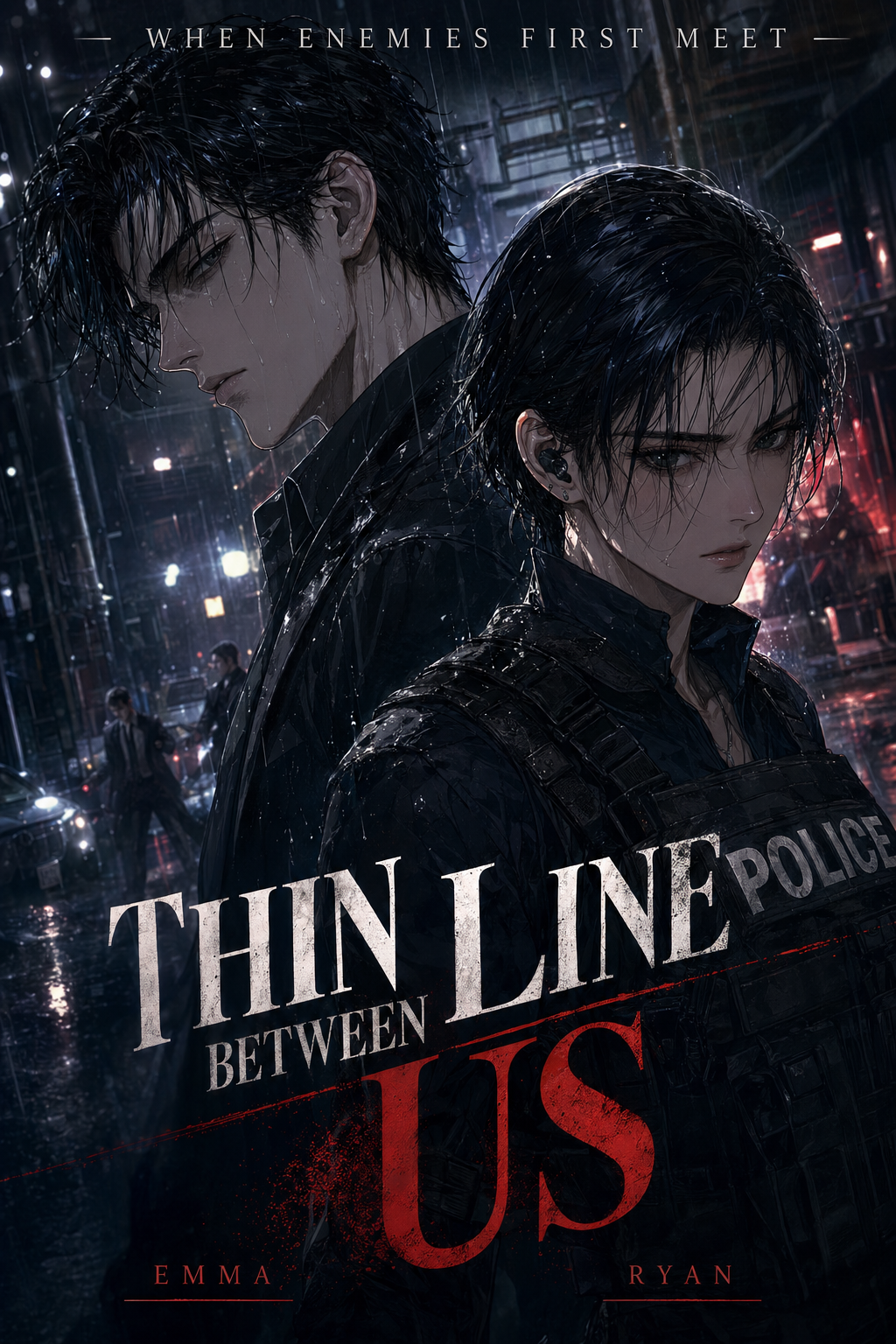
Why manga inking is trending now
manga inking is trending because creators want faster ways to move from rough ideas to review-ready manga pages without losing style control. The useful question is how the workflow supports story intent, visual consistency, and final human review.
The recent surge in interest around manga inking isn't just a coincidence; it's a direct response to a shift in how creators are producing manga. This trend is fueled by the desire for faster production and higher-quality results, particularly among independent creators and smaller studios. The core driver is the accessibility of tools that dramatically reduce the time it takes to create professional-looking line art. This allows creators to focus on storytelling, character development, and other creative aspects of manga production.
The demand for high-quality manga is also increasing. Readers are becoming more discerning, and they expect polished visuals. This means that even early-stage creators must compete with established artists. The traditional inking process, which is time-consuming and requires significant skill, is often a bottleneck. The new tools alleviate this pressure and make it easier for creators of all experience levels to achieve professional-grade results. Consider the shift in webcomics: a decade ago, many webcomics embraced a more "sketchy" style due to time constraints. Now, with more sophisticated tools, even webcomics are employing cleaner line art and more professional-looking presentation.
What creators should know about manga inking
The creative opportunity presented by the current AI Manga Inker workflow trend is immense. Creators can now experiment with different art styles, page layouts, and storytelling techniques without being bogged down by the technical limitations of traditional inking. This opens the door for greater creative freedom and allows artists to bring their visions to life more efficiently. Imagine a creator who wants to switch genres from shonen to seinen, or from a full-color style to a more traditional black-and-white. With faster inking, that transition becomes less daunting.
However, there's a risk: a reliance on AI could lead to a homogenization of styles. If everyone uses the same tools, will unique artistic voices get lost? Creators need to find a balance between leveraging technology and retaining their unique artistic flair. The key is to see AI as a tool to enhance, not replace, their skills. This means using AI to speed up the process, experiment with different styles, and refine their work, but always maintaining their creative vision.
The practical takeaway is to embrace the new tools while remaining mindful of artistic integrity. Learn how to use AI-powered inking to your advantage. Experiment with different settings and styles. Don't be afraid to tweak and refine the AI's output to match your vision. Use it to overcome the time-consuming aspects of inking, but always keep your creative voice at the forefront.
Where AI Manga Inker fits in manga production
creator workflow is a crucial stage in the manga production process. It falls directly after the pencil sketch phase and before color application (if applicable) and lettering. Think of it as the step where your rough draft becomes a polished final product. The quality of your inking directly impacts the overall visual appeal of your manga, which affects reader engagement.
Here's how inking fits into the workflow:
- Concept and Character Design: Initial ideas and character sketches are created.
- Storyboard: Panels are laid out, and the basic narrative is planned.
- Pencil Sketches: The rough draft of each panel is drawn, including characters, backgrounds, and dialogue placement.
- Inking: This is where the pencil sketches are refined into clean line art. This can involve using a pen, brush, or digital tools.
- Coloring: Colors are added to the inked pages, either digitally or traditionally.
- Lettering: Dialogue and sound effects are added to the panels.
- Export: The final pages are exported in formats like PNG or PDF for publishing.
Consider the genre: a shojo manga might have delicate, fine lines, while a seinen manga might have bolder, more dynamic linework. The inking process allows you to customize your line art to match the genre and the mood of your story. You can also experiment with different page formats, such as the standard B5 or A4 size, and adjust your inking style accordingly. A digital tool can allow you to quickly try different line weights and styles for each panel, which is an enormous time-saver. Consider how much time it takes to manually ink a full manga page, and then imagine how AI can reduce that time by hours or even days.
How Mangaka supports manga inking
Mangaka is designed to streamline the manga creation process, and its AI-powered inking feature is a core component. The tool is designed to help creators at every stage of production, with a particular focus on improving the speed and quality of line art. The product's main benefit converts pencil sketches into clean inked line art automatically.
Here's how Mangaka supports the inking workflow process:
- AI-Powered Inking: Simply upload your pencil sketches, and Mangaka's AI will automatically convert them into clean, crisp line art.
- Style Customization: You can choose from various inking styles to match your desired aesthetic. Options include different line weights, ink textures, and even the ability to mimic the look of traditional pens or brushes.
- Refinement Tools: Mangaka provides tools to refine the AI-generated line art, allowing you to make adjustments and ensure that every line is perfect.
- Seamless Integration: The inking feature integrates seamlessly with other Mangaka tools, such as character design and panel layout, making the entire production process more efficient.
You can use Mangaka to create polished line art without the need for extensive inking skills. The AI handles the technical aspects, allowing you to focus on the creative elements of your manga. This is especially helpful for creators who are new to manga production, or for those who want to speed up their workflow. You can quickly see how page planning workflow can be greatly accelerated. For more details, explore the features at the Mangaka website: manga inking .
Practical creator workflow for AI Manga Inker
The applications of AI Manga Inker workflow are diverse, spanning various genres and creative needs. Here are a few examples:
- Speeding up Production: A creator working on a weekly manga series can use Mangaka to reduce the time spent on inking each panel, allowing them to meet deadlines more easily.
- Improving Quality: A creator who struggles with consistent line art can use Mangaka to ensure that their characters and environments always look polished and professional.
- Experimenting with Styles: A creator who wants to try a new art style can use Mangaka to quickly generate line art in different styles, allowing them to experiment without spending hours on manual inking.
- Creating a Portfolio: A creator can use Mangaka to quickly produce high-quality line art for their portfolio, showcasing their skills to potential clients or publishers.
- Improving Character Consistency: A creator can use Mangaka to ensure their character's facial features and proportions are consistent throughout the entire manga.
How to Get Started with Mangaka
Getting started with Mangaka is a straightforward process. Here's a simple workflow:
- Open Mangaka: Access the Mangaka platform through your web browser. You'll need to create an account if you don't already have one.
- Choose or Describe the Creative Task: Select "Ink" from the available tools. You can either upload your existing pencil sketches or create new ones using Mangaka's built-in drawing tools. Describe the task: e.g., "shonen manga style", "female character, action pose."
- Upload and Process: Upload your pencil sketches. The AI will automatically analyze your sketches and generate inked line art.
- Review and Refine: Review the generated line art and make any necessary adjustments. Mangaka provides tools to refine the lines, add details, and correct any imperfections.
- Export the Result: Once you're satisfied with the line art, export it in your preferred format (PNG, JPG, etc.) for use in your manga.
A reliable creator workflow workflow starts with a short creative brief: genre, character notes, page count, panel mood, and the target reading direction. That gives Mangaka enough context to keep the generated page useful instead of producing disconnected images.
Creators should review the output for character consistency, panel order, speech-bubble space, and whether the final PNG or PDF can move into editing without redrawing the layout. These checks are faster when the source script and generated panels stay in one workflow.
Before export, creators should compare the page against the scene goal: mood, pose, line weight, readable dialogue, and the format needed for editing or publishing. That review keeps the result useful without repeating the same production advice.
The setup should separate creative direction from production cleanup. A creator can define the genre, page format, character references, and visual tone first, then use Mangaka to turn that direction into cleaner panels for review.
The revision pass should focus on choices a reader will notice: whether the eye moves through panels naturally, whether important actions are readable, and whether the line art supports the genre rather than fighting it.
For broader manga market context, Anime News Network industry coverage is a useful source for tracking publishing formats, creator trends, and audience expectations.
The Bottom Line
The bottom line: a useful inking pass keeps the story goal, visual style, and review step clear before export. AI Manga Inker gives creators a faster first pass without removing the final human review.
Start creating with Mangaka AI Manga Inker when you are ready to turn the reviewed idea into finished manga pages.
Discussion