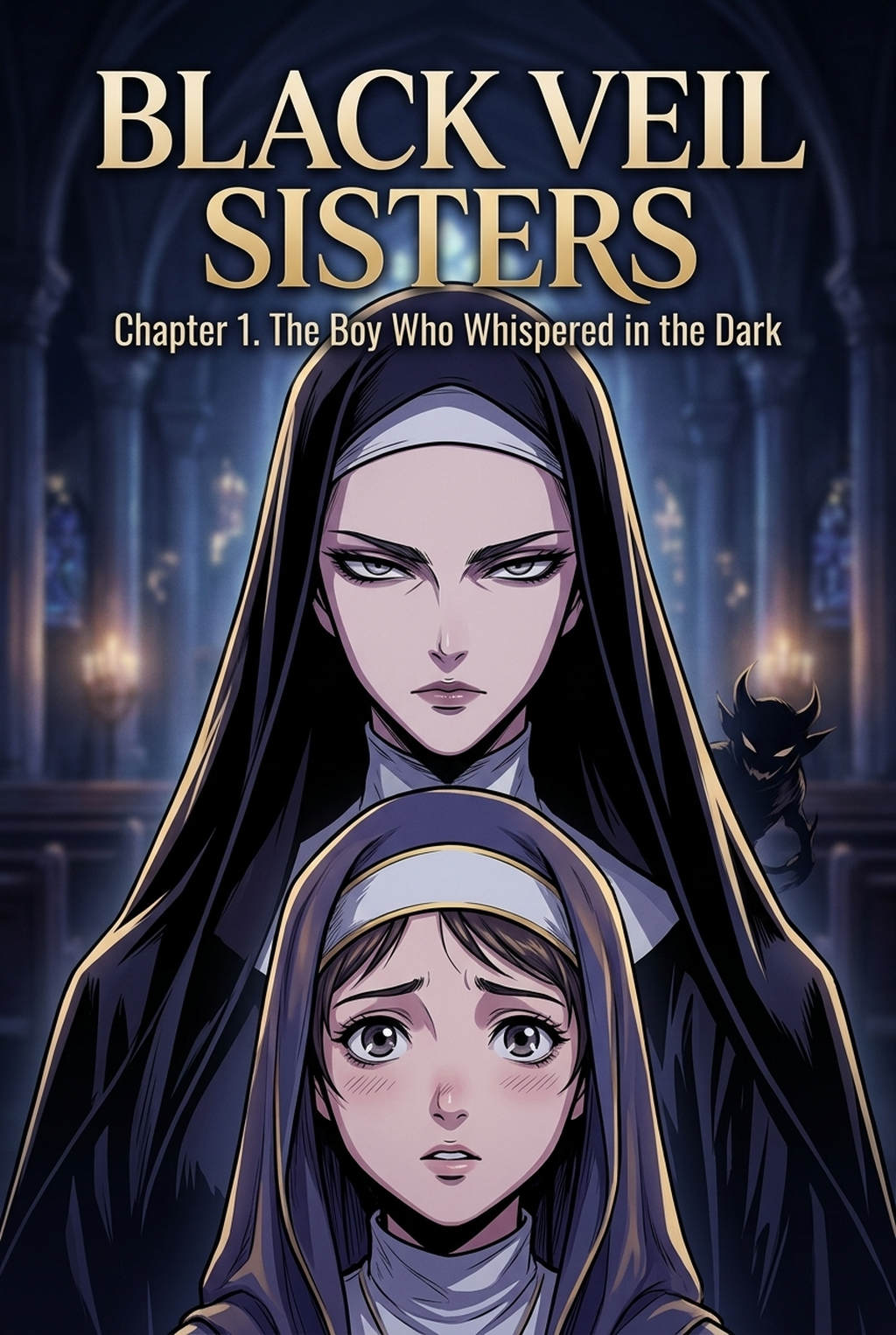
Why manga inking techniques are trending now
manga inking techniques are trending because creators want faster ways to move from rough ideas to review-ready manga pages without losing style control. The useful question is how the workflow supports story intent, visual consistency, and final human review.
Manga inking techniques are the methods and processes used to create the final, clean line art that defines a manga page. It's the step where a rough pencil sketch is transformed into a polished, professional-looking image. This involves using various tools, from traditional dip pens and ink to digital brushes and tablets, to meticulously trace and refine the initial drawing. The quality of the inking significantly impacts the overall visual appeal, readability, and emotional impact of the manga. Mastering AI Manga Inker workflow is crucial for manga artists to create visually compelling and professional-quality work.
The process goes beyond simply tracing the pencil lines. Ink artists must consider line weight, which is the thickness of the lines, to create depth, dimension, and visual interest. Thicker lines are often used for outlines and foreground elements, while thinner lines are used for details and background elements. Techniques like hatching and cross-hatching are employed to create shadows and textures. The inking stage also involves cleaning up stray marks, correcting imperfections, and ensuring consistency across panels and pages. This meticulous attention to detail is what separates a rough sketch from a finished manga page.
What creators should know about manga inking techniques
creator workflow are trending now because of increased demand for high-quality manga and the rise of digital tools. The global manga market is booming, with more readers than ever seeking visually stunning stories. This has put pressure on creators to produce work that meets these elevated expectations. At the same time, advancements in digital art software and AI tools are changing how manga is made.
This trend directly impacts creators because it changes the production process, and the quality expectations. Creators can improve their manga's visual appeal by mastering inking techniques, which ultimately improves readability and audience engagement. It also affects the speed and efficiency of the production process. A well-executed inking process can save time and reduce the need for extensive revisions, allowing creators to focus on storytelling.
For a practical workflow, manga inking techniques keeps script input, panel generation, and creator review in one place.
Where AI Manga Inker fits in manga production
Manga inking is a crucial step in the manga production process, typically following the initial concept, character design, and storyboard phases. After the rough pencil sketches are complete, the inking process begins. This is where the artist refines the lines, adds details, and prepares the artwork for the next stages: coloring and lettering.
Consider the common manga production workflow:
- Concept and Story: The initial idea and narrative are developed.
- Character Design: Characters are created with unique appearances and personalities.
- Storyboard: Panel layouts and page compositions are planned out.
- Pencil Sketch: Rough drawings are created for each panel.
- Manga Inking: The pencil sketches are traced and refined with ink to create clean line art.
- Coloring: Colors are added to the inked artwork.
- Lettering: Dialogue and sound effects are added to the panels.
- Export: The finished pages are compiled and exported in formats like PNG or PDF for print or digital distribution.
The inking stage is particularly important for genres like shonen, seinen, and shojo manga, where detailed artwork and expressive characters are key. Page formats like B4 (257mm x 364mm) or A4 (210mm x 297mm) often require precise inking to maintain clarity and visual impact. Review steps can include checking for line consistency, ensuring clean lines, and confirming that the inking complements the overall storytelling.
How Mangaka supports manga inking techniques
Mangaka streamlines the manga inking process by using AI to automate the creation of clean line art from pencil sketches. This is where AI tools are changing the game. Mangaka's AI features are specifically designed to assist creators in achieving professional-quality inking more efficiently. The core benefit of Mangaka is that it converts pencil sketches into clean inked line art automatically. This means less time spent manually inking and more time focusing on storytelling and character development.
Mangaka fits directly into the manga production workflow at the inking stage. Instead of spending hours meticulously tracing and refining pencil sketches, creators can upload their work to Mangaka. The AI then analyzes the sketch and generates clean, crisp line art, ready for coloring and lettering. The platform also offers tools for refining the AI-generated ink, allowing for adjustments to line weight, detail, and overall style. This gives creators greater control over the final look of their work.
If you are struggling with this stage, consider using Mangaka to help. Try Mangaka for your page planning workflow today.
Practical creator workflow for AI Manga Inker
Here are some specific examples of how final review can be applied in different scenarios:
- Character Art: Creating consistent and detailed character art is critical for any manga. Inking helps define the character's features, clothing, and expressions, making them visually appealing and recognizable.
- Panel Composition: Inking is essential for defining the borders of panels and guiding the reader's eye through the story. The use of varied line weights and styles can create a sense of depth and movement within each panel.
- Backgrounds and Environments: Detailed backgrounds and environments add realism and depth to the manga. Inking techniques like hatching and stippling are used to create textures, shadows, and atmospheric effects.
- Action Sequences: Dynamic action sequences require precise inking to convey movement and impact. Techniques such as speed lines and motion blur are used to create a sense of energy and excitement.
- Digital Manga: For digital manga, inking is done using digital brushes and tablets. The use of layers and digital tools makes it easier to edit and refine the inking process.
How to get started with Mangaka
Getting started with Mangaka is a straightforward process designed to integrate seamlessly into your existing manga creation workflow. Here’s a step-by-step guide:
- Open Mangaka: Access the Mangaka platform through your web browser.
- Choose or Describe the Creative Task: Select the "Inking" feature or describe your pencil sketch in the input box.
- Upload Your Sketch: Upload your pencil sketch in a supported format (e.g., JPG, PNG).
- Review and Refine: The AI will generate the inked version of your sketch. Review the results, and use the provided tools to adjust line weight, details, and overall style.
- Export: Once you are satisfied with the inked result, export the page in the format you prefer, such as PNG or PDF.
This simple workflow allows you to quickly transform your pencil sketches into professional-quality line art.
A reliable AI Manga Inker workflow workflow starts with a short creative brief: genre, character notes, page count, panel mood, and the target reading direction. That gives Mangaka enough context to keep the generated page useful instead of producing disconnected images.
Creators should review the output for character consistency, panel order, speech-bubble space, and whether the final PNG or PDF can move into editing without redrawing the layout. These checks are faster when the source script and generated panels stay in one workflow.
Before export, creators should compare the page against the scene goal: mood, pose, line weight, readable dialogue, and the format needed for editing or publishing. That review keeps the result useful without repeating the same production advice.
The setup should separate creative direction from production cleanup. A creator can define the genre, page format, character references, and visual tone first, then use Mangaka to turn that direction into cleaner panels for review.
The revision pass should focus on choices a reader will notice: whether the eye moves through panels naturally, whether important actions are readable, and whether the line art supports the genre rather than fighting it.
For broader manga market context, Anime News Network industry coverage is a useful source for tracking publishing formats, creator trends, and audience expectations.
A reliable creator workflow should start with a short brief that names the scene goal, recurring character details, panel mood, and export format. That gives the tool enough context to support the story instead of producing disconnected art assets.
The review pass should check line weight, facial expression, pose clarity, panel order, and dialogue space before export. These checks make the result easier to edit in a drawing app or hand off to collaborators.
Creators should also compare the generated page with the intended reading flow. If a reveal, action beat, or emotional pause lands in the wrong panel, the page needs a quick revision before it becomes production-ready.
For recurring projects, saving character notes and style preferences reduces avoidable rework. A small reference sheet helps future pages stay consistent even when the story moves through different scenes or camera angles.
The Bottom Line
The bottom line: a useful inking pass keeps the story goal, visual style, and review step clear before export. AI Manga Inker gives creators a faster first pass without removing the final human review.
Start creating with Mangaka AI Manga Inker when you are ready to turn the reviewed idea into finished manga pages.
Discussion