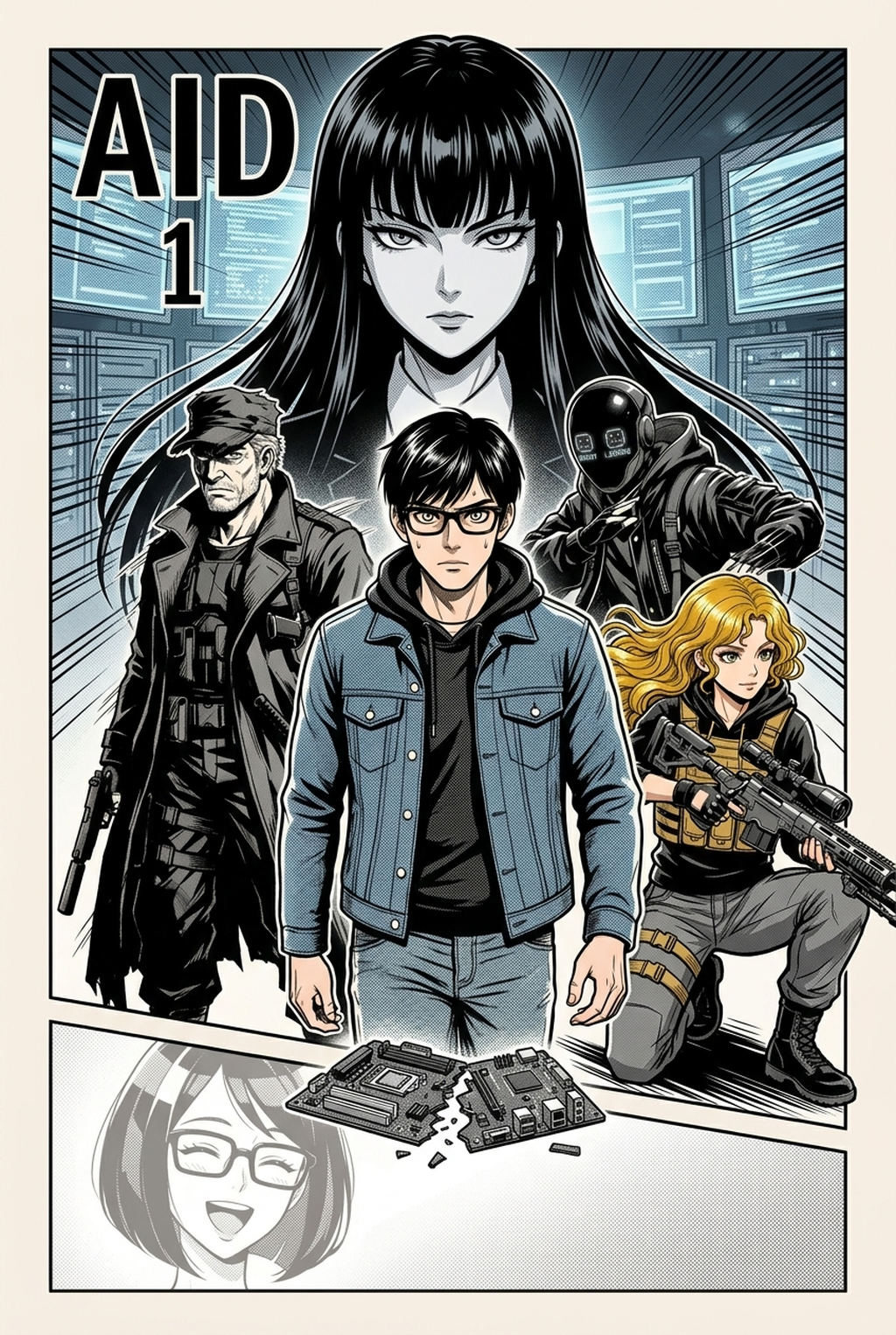
What AI Manga Inker Means for Manga Creators
Manga inking techniques are fundamental to the manga creation process, transforming rough sketches into polished, professional-looking artwork. Proper inking defines the final look of a manga page, impacting everything from character design and panel composition to the overall mood and readability. It's a critical skill for any manga creator, influencing how readers perceive the story and engage with the art. The techniques used can vary widely based on the creator's style, the manga genre, and the desired aesthetic, but the core principles remain consistent: clean lines, consistent line weight, and effective use of black and white to create depth and visual interest. Public demand for new manga continues to rise, and the tools available to creators are evolving.
How to Evaluate AI Manga Inker
Evaluating AI Manga Inker workflow involves assessing several key elements that contribute to the overall quality and impact of the final artwork. These criteria ensure that the inked lines enhance the story, character designs, and visual appeal.
Maintaining Style Consistency in Your Line Art
Style consistency is essential for creating a cohesive and professional-looking manga. This means maintaining a consistent approach to line weight, line quality, and the overall aesthetic throughout the entire work. Inconsistent line work can disrupt the reader's experience, making the art appear amateurish or unfinished. For example, if a character's facial features are drawn with thick, bold lines in one panel and then thin, delicate lines in the next, the character will appear visually inconsistent. Creators should establish a style guide early in the production process and adhere to it consistently. This guide should include details on line weight variations (e.g., thick lines for outlines, thinner lines for details), the type of lines used (e.g., straight, curved, dashed), and how to render specific elements like hair, clothing, and backgrounds.
Ensuring Panel Readability Through Effective Inking
Panel readability is critical for guiding the reader's eye and ensuring that the story is easily understood. Inking techniques play a significant role in achieving this. The use of varied line weights, shading, and hatching can create depth, highlight important elements, and separate different layers of the artwork. For instance, using thicker lines for character outlines can help them stand out from the background, while thinner lines can be used for details like wrinkles or hair strands. Strategic use of black fills and shading can also create visual interest and direct the reader's focus. The inking should work in harmony with the panel composition and page layout to ensure that the story flows smoothly and is easily followed.
Revision Control for Iterative Improvement
Effective revision control is vital for refining the inking and ensuring the final product meets the creator's vision. This involves a structured approach to making changes, tracking revisions, and maintaining different versions of the artwork. It also means having a system for identifying areas that need improvement. For example, a creator might review the inked panels and note areas where the line weight is inconsistent, the shading is uneven, or the details are unclear. They would then make revisions, save the new version, and compare it to the original. This iterative process allows creators to refine their work, correct errors, and ensure the final product is polished and professional.
Exporting High-Quality Line Art for Various Formats
The final step in the inking process is exporting the artwork in a format suitable for printing or digital distribution. The export quality is crucial for preserving the integrity of the line art and ensuring that it looks its best in the final product. The choice of file format (e.g., PNG, PDF) and the resolution settings will impact the clarity and sharpness of the lines. For print, high-resolution files (300 DPI or higher) are generally required to prevent the lines from appearing blurry or pixelated. For digital distribution, a slightly lower resolution may be acceptable, but it's still essential to ensure that the lines are crisp and clear. Creators should also consider the color mode (e.g., grayscale, black and white) and the file size when exporting, as this will affect the final product's appearance and usability.
How Mangaka Supports Manga Inking Techniques
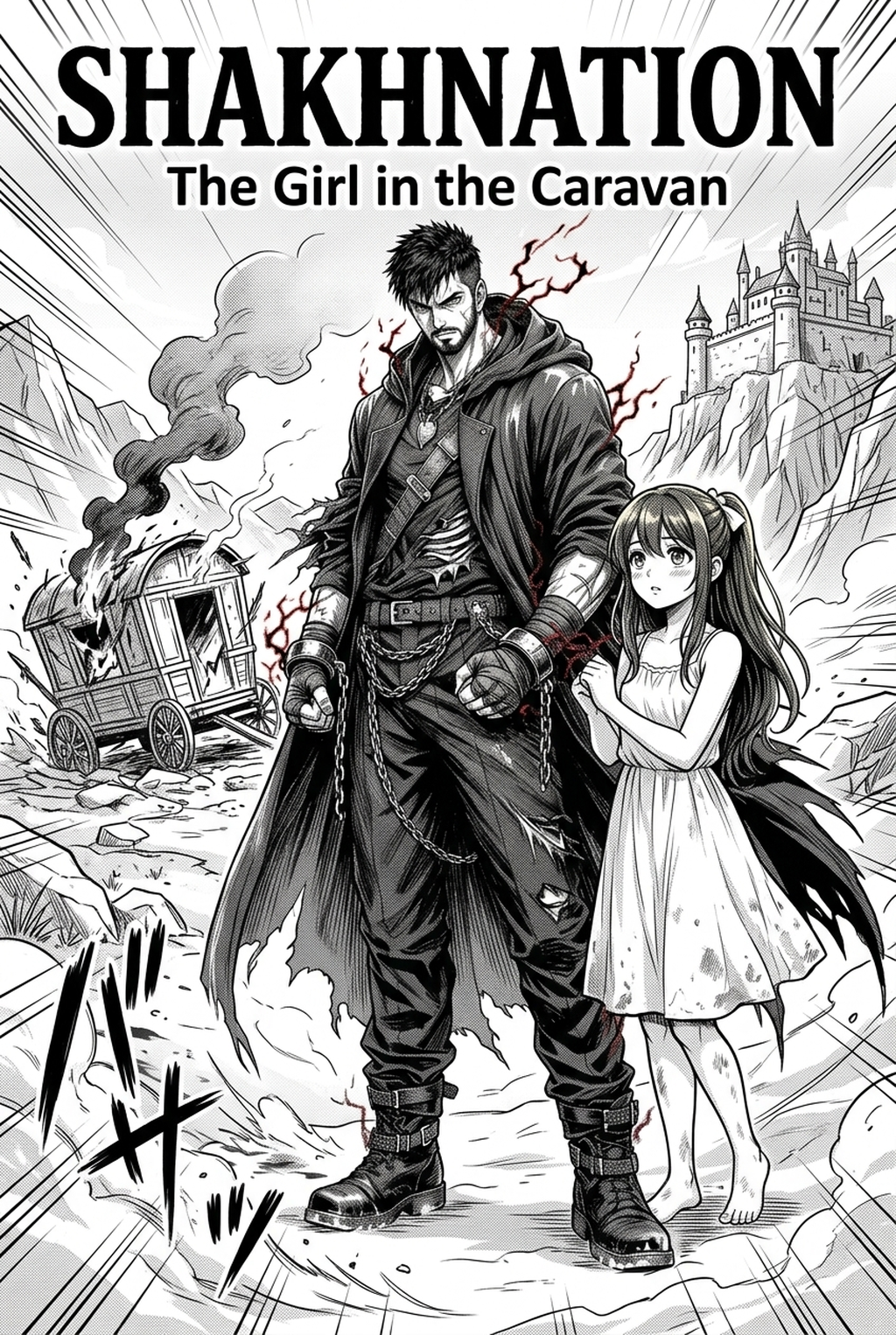
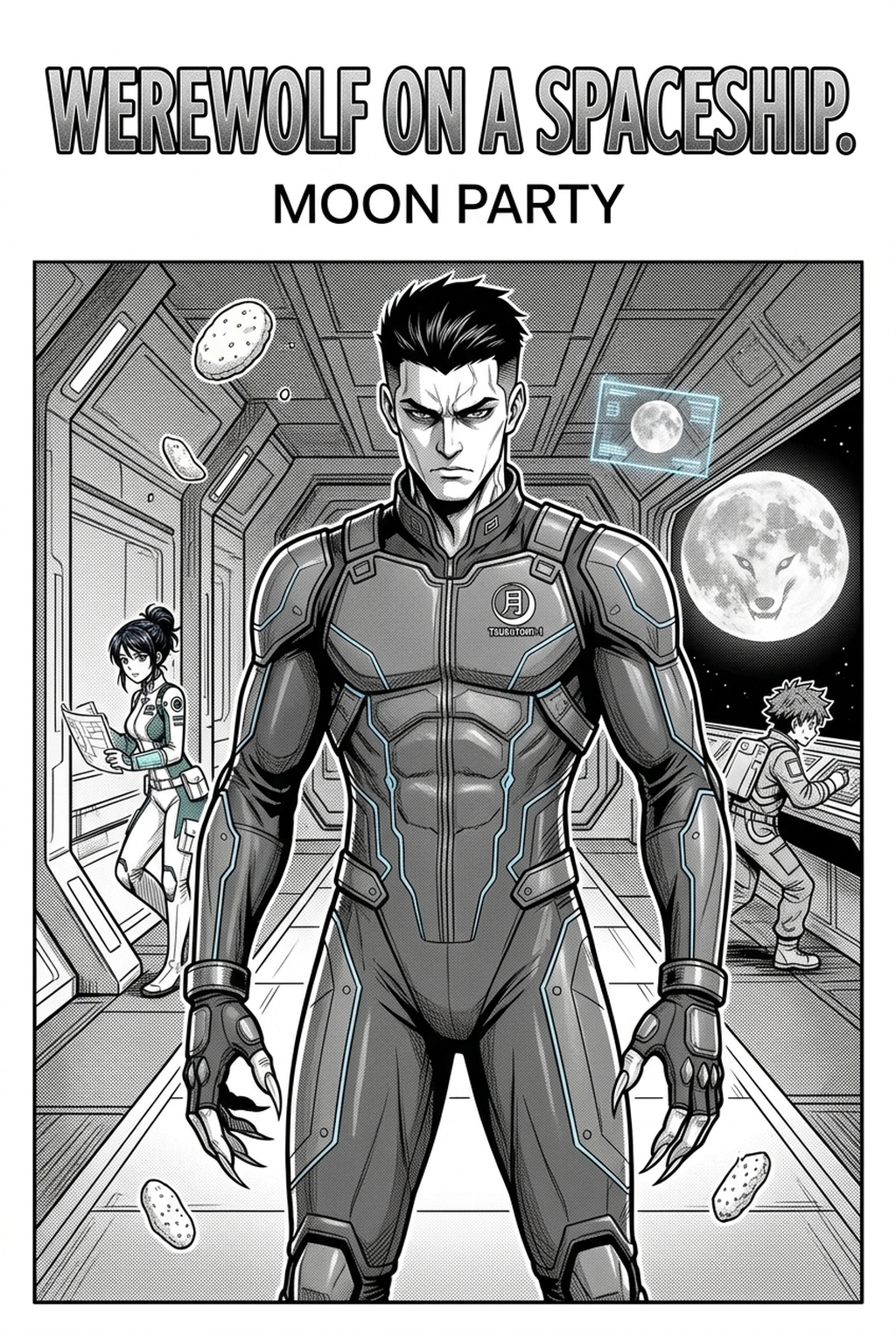
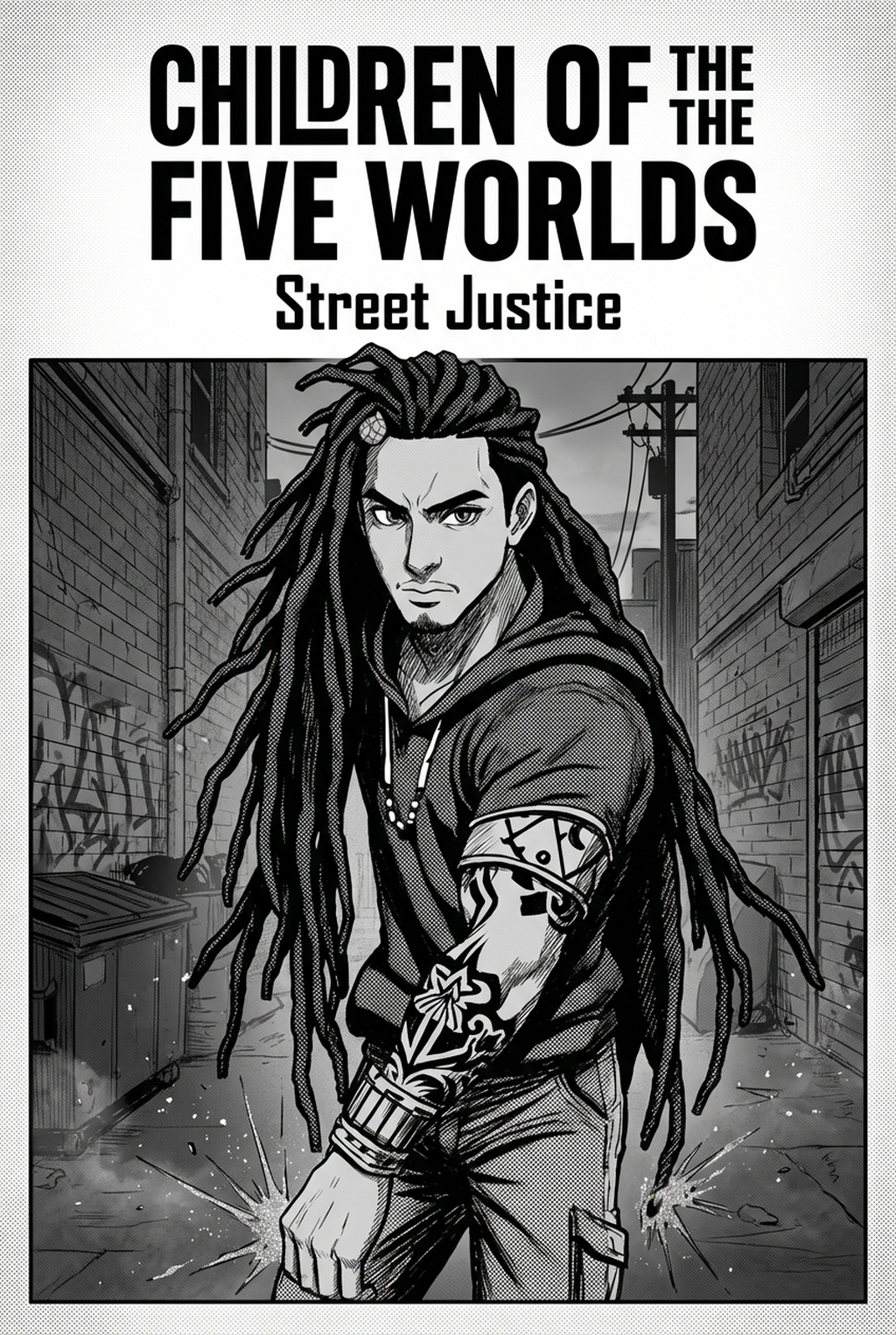
Mangaka provides a powerful solution for manga creators, streamlining the inking process and enhancing the quality of their artwork. The AI-powered tool converts pencil sketches into clean inked line art automatically, saving creators valuable time and effort. This allows creators to focus on the creative aspects of their work, such as storytelling and character design, rather than spending hours manually inking each panel.
Mangaka's features are designed to support a wide range of manga styles and workflows. Creators can upload their pencil sketches, specify their desired aesthetic, and let the AI generate high-quality line art. The tool offers various options for customizing the inking, allowing creators to control line weight, line style, and other parameters to achieve their desired look. This flexibility ensures that the final artwork aligns with the creator's artistic vision. Using Mangaka can significantly reduce the production time, enabling creators to produce more pages and meet deadlines more efficiently. To learn more about how Mangaka helps, explore the manga inking techniques feature.
Creator Workflow for AI Manga Inker
A well-defined workflow is critical for efficiently and effectively implementing inking workflow. This workflow ensures that the inking process is organized, consistent, and produces high-quality results. Prepare the Creative Brief Before Generation: The first step in any effective inking workflow is to establish a clear creative brief. This brief should outline the project's goals, including the desired style, genre, and target audience. For example, a creator working on a shonen manga might want bold, dynamic lines, while a creator working on a shojo manga might prefer softer, more delicate lines. The creative brief should also include reference images, style direction, and a detailed page goal. These references will help guide the inking process and ensure consistency throughout the work.
Generate and Refine: Iterating to Achieve the Desired Look
Once the creative brief is established, the next step is to generate the initial inked lines. This involves using tools like Mangaka to convert the pencil sketches into clean line art. After the initial generation, the creator should carefully compare the results against their creative brief and references. This comparison will help identify areas that need refinement. The creator should then make revisions to the line art, adjusting line weight, adding details, and correcting any errors. This iterative process of generating, comparing, and revising is crucial for achieving the desired look. Creators should also consider panel composition and character consistency during this stage, ensuring that the inked lines enhance these elements.
Review and Export: Preparing for the Final Product
The final stage of the workflow involves reviewing the finished inked panels and preparing them for export. The creator should carefully review each panel, checking for any remaining errors or inconsistencies. They should pay particular attention to readability, ensuring that the inked lines are clear and easy to understand. The creator should also check the line quality, verifying that the lines are crisp and well-defined. Once the review is complete, the creator should export the artwork in the appropriate file format. The choice of format (e.g., PNG, PDF) will depend on the intended use of the artwork. The creator should also consider the file size and resolution, ensuring that the final product looks its best.
Risks, Tradeoffs, and Creative Decision Rules
While modern tools and techniques offer many advantages, it's essential to understand the potential risks and tradeoffs involved in the manga inking process. Knowing these factors will help creators make informed decisions and avoid common pitfalls.
Prioritize Creative Risks by Reader Impact
One of the primary risks is the potential for losing creative control. While AI-powered tools can automate much of the inking process, they may not always perfectly capture the creator's artistic vision. Creators should be prepared to spend time refining the AI-generated line art to ensure it aligns with their style and preferences. Another potential tradeoff is the learning curve associated with new tools and techniques. Creators may need to invest time in learning how to use AI-powered tools effectively or mastering new inking techniques. The following decision rules can help mitigate these risks:
- When the workflow is a fit: The workflow is an excellent fit when the creator wants to streamline the inking process, save time, and maintain a consistent style. It's also a good fit for creators who are new to inking or want to experiment with different styles.
- What needs human review: Human review is essential to ensure that the AI-generated line art aligns with the creator's artistic vision. Creators should carefully review each panel, checking for errors, inconsistencies, and areas that need refinement.
- What creators should avoid: Creators should avoid relying solely on AI-powered tools without understanding the underlying principles of inking. They should also avoid using tools or techniques that compromise the quality of their artwork.
By understanding these risks and tradeoffs, creators can make informed decisions and create high-quality manga. Anime News Network manga industry coverage helps creators track manga releases, production shifts, and reader-facing market context. This keeps the review focused on story intent, line weight, panel readability, and the export quality behind the final AI Manga Inker output.
MyAnimeList manga news is useful for checking reader interest, franchise momentum, and community-visible publishing signals. Wacom comic and manga creation guidance gives creators a hardware-and-workflow view of digital sketching, line art, and manga page production.
The Bottom Line
The bottom line: a useful inking pass keeps the story goal, visual style, and review step clear before export. AI Manga Inker gives creators a faster first pass without removing the final human review. Start creating with Mangaka AI Manga Inker when you are ready to turn the reviewed idea into finished manga pages.
Discussion