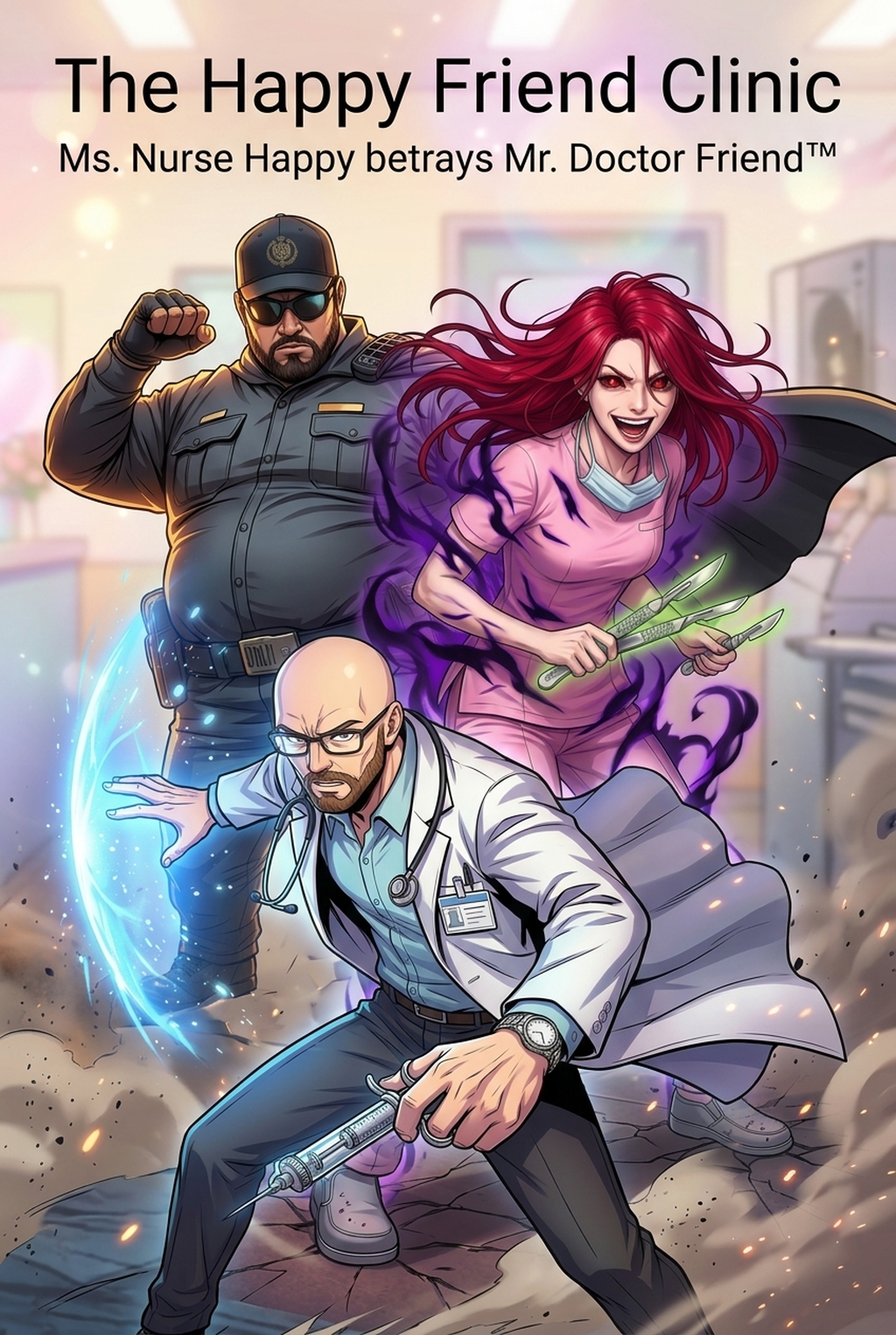
What are manga inking techniques?
Manga inking techniques are the processes and methods creators use to finalize the line art in their manga panels. This stage typically follows the pencil sketching phase and involves using pens, brushes, or digital tools to create clean, defined lines that will be the foundation of the final artwork. This step is about refining the initial sketch, clarifying the forms, and adding the distinctive visual style that makes manga recognizable. A creator is trying to achieve a polished, professional look that enhances readability and visual appeal. The goal is to produce crisp, clear lines that define characters, backgrounds, and objects, making the manga visually engaging.
Inking is more than just tracing; it is about bringing life and depth to the artwork. Good inking emphasizes the key elements of a panel, guiding the viewer's eye and creating a sense of dimension. The artist chooses line weights, line styles, and hatching techniques to convey mood, texture, and movement. The final inked lines are then scanned or imported into a digital environment where the artwork can be colored, toned, and prepared for publication. This stage is a critical step in the manga production process and significantly impacts the overall quality and impact of the finished pages.
Why AI Manga Inker matters for manga creators
AI Manga Inker workflow are fundamental to the manga creation process, directly impacting several key aspects of the final product. The quality of inking significantly influences the visual appeal, readability, and overall impression of the manga. For creators, mastering these techniques can lead to improved panel flow, character consistency, and ultimately, a more professional-looking manga.
The choice of line weights, styles, and hatching techniques directly affects how the viewer perceives the artwork. Varying line weights can create depth and dimension, making characters and objects appear more three-dimensional. Precise and consistent inking is essential for maintaining character consistency throughout a series. Any inconsistencies in line art can distract readers and make characters appear unprofessional. This is especially important in long-running series where characters evolve, and viewers will notice subtle changes in the art style.
Effective inking techniques also contribute to better panel flow. Clean lines and well-defined shapes guide the reader's eye, helping them follow the story and understand the action. This is particularly crucial in action-packed scenes or complex layouts where clarity is paramount. The right techniques can highlight important elements and direct the viewer's attention, making the manga easier to follow and more engaging.
Furthermore, the quality of inking can impact the speed and efficiency of the production process. While inking can be time-consuming, a well-defined process and the use of the right tools can streamline the workflow. Digital tools, in particular, offer features like line correction, stabilization, and easy editing, which can significantly speed up the inking process. This allows creators to focus more on the creative aspects of their work and less on technical challenges. Ultimately, mastering creator workflow is an investment in the quality, consistency, and efficiency of your manga creation process.
How manga inking techniques work with Mangaka
Mangaka is designed to revolutionize the way creators approach manga inking. By leveraging AI, the platform streamlines the often-laborious process of transforming pencil sketches into polished, inked line art. This innovative approach allows creators to focus on the storytelling and creative aspects of their work while letting the AI handle the technical details.
The core functionality of Mangaka centers around its ability to convert pencil sketches into clean inked line art automatically. This feature is a game-changer for creators, especially those who struggle with the precision and time commitment required by traditional inking methods. Imagine a workflow where your rough sketches are instantly transformed into professional-quality line art, ready for coloring and publishing.
Here's how it works: you upload your pencil sketches to Mangaka. The AI then analyzes the sketches, identifies the lines, and generates clean, crisp line art based on your input. You can then review and refine the AI's output, adjusting line weights, and making any necessary corrections to achieve the desired look. This process not only saves time but also allows creators to experiment with different styles and techniques without the constraints of traditional inking. Learn more about the Mangaka process by exploring the features on the manga inking techniques platform.
Use cases for AI Manga Inker
Here are three practical scenarios where effective page planning workflow can significantly enhance your creative workflow and the quality of your manga:
- Action-Packed Shonen Manga: In genres like shonen, where dynamic action sequences are common, inking becomes crucial for conveying movement and impact. Imagine a battle scene with multiple characters, each with their own unique poses and effects. Using varying line weights to emphasize the movement of limbs, the trajectory of attacks, and the impact of blows can create a visually stunning panel. Hatching techniques can be employed to add shading and texture, making the scene more dramatic. By using these final review, you can make the action clear and engaging, keeping readers hooked.
- Detailed Shojo Manga: Shojo manga often features intricate character designs, detailed backgrounds, and delicate linework. For this genre, meticulous inking is essential. Creators need to maintain character consistency, ensuring that each character looks recognizable across multiple panels and chapters. Precise inking is needed for intricate details like clothing patterns, hair strands, and facial expressions. The choice of line weight is also critical; thin lines can convey a sense of elegance and softness, while thicker lines can emphasize specific elements.
- Digital Workflow for vertical comic platforms: With the rise of vertical comic platforms, creators often work entirely digitally. In this context, inking becomes an integral part of the digital workflow, and the right tools and techniques can streamline the production process. Digital tools offer several advantages, such as the ability to easily correct lines, adjust line weights, and undo mistakes. This means you can experiment with different styles and techniques without the limitations of traditional inking methods. Creators can also use digital brushes to simulate various inking styles, from traditional brushstrokes to clean, vector-based lines.
Step-by-step guide to start with Mangaka
Getting started with Mangaka is a straightforward process designed to integrate seamlessly into your manga creation workflow. Here's a step-by-step guide:
- Open Mangaka: Access the Mangaka platform through your web browser. You can start by visiting the website and creating an account or logging in if you already have one.
- Choose or Describe the Creative Task: Once logged in, you can choose the creative task you want to perform. For inking, you would typically upload your pencil sketches. The platform may offer options for different types of inking styles or provide recommendations based on your input.
- Review, Refine, and Export the Result: After the AI has processed your input, review the generated line art. Mangaka allows you to refine the results by adjusting line weights, making corrections, and adding details. Once you are satisfied with the result, you can export the inked artwork in various formats, such as PNG or PDF, ready for coloring and publication.
A reliable AI Manga Inker workflow workflow starts with a short creative brief: genre, character notes, page count, panel mood, and the target reading direction. That gives Mangaka enough context to keep the generated page useful instead of producing disconnected images.
Creators should review the output for character consistency, panel order, speech-bubble space, and whether the final PNG or PDF can move into editing without redrawing the layout. These checks are faster when the source script and generated panels stay in one workflow.
Before export, creators should compare the page against the scene goal: mood, pose, line weight, readable dialogue, and the format needed for editing or publishing. That review keeps the result useful without repeating the same production advice.
The setup should separate creative direction from production cleanup. A creator can define the genre, page format, character references, and visual tone first, then use Mangaka to turn that direction into cleaner panels for review.
The revision pass should focus on choices a reader will notice: whether the eye moves through panels naturally, whether important actions are readable, and whether the line art supports the genre rather than fighting it.
For broader manga market context, Anime News Network industry coverage is a useful source for tracking publishing formats, creator trends, and audience expectations.
A reliable creator workflow should start with a short brief that names the scene goal, recurring character details, panel mood, and export format. That gives the tool enough context to support the story instead of producing disconnected art assets.
The review pass should check line weight, facial expression, pose clarity, panel order, and dialogue space before export. These checks make the result easier to edit in a drawing app or hand off to collaborators.
The Bottom Line
The bottom line: a useful inking pass keeps the story goal, visual style, and review step clear before export. AI Manga Inker gives creators a faster first pass without removing the final human review.
Start creating with Mangaka AI Manga Inker when you are ready to turn the reviewed idea into finished manga pages.
Discussion