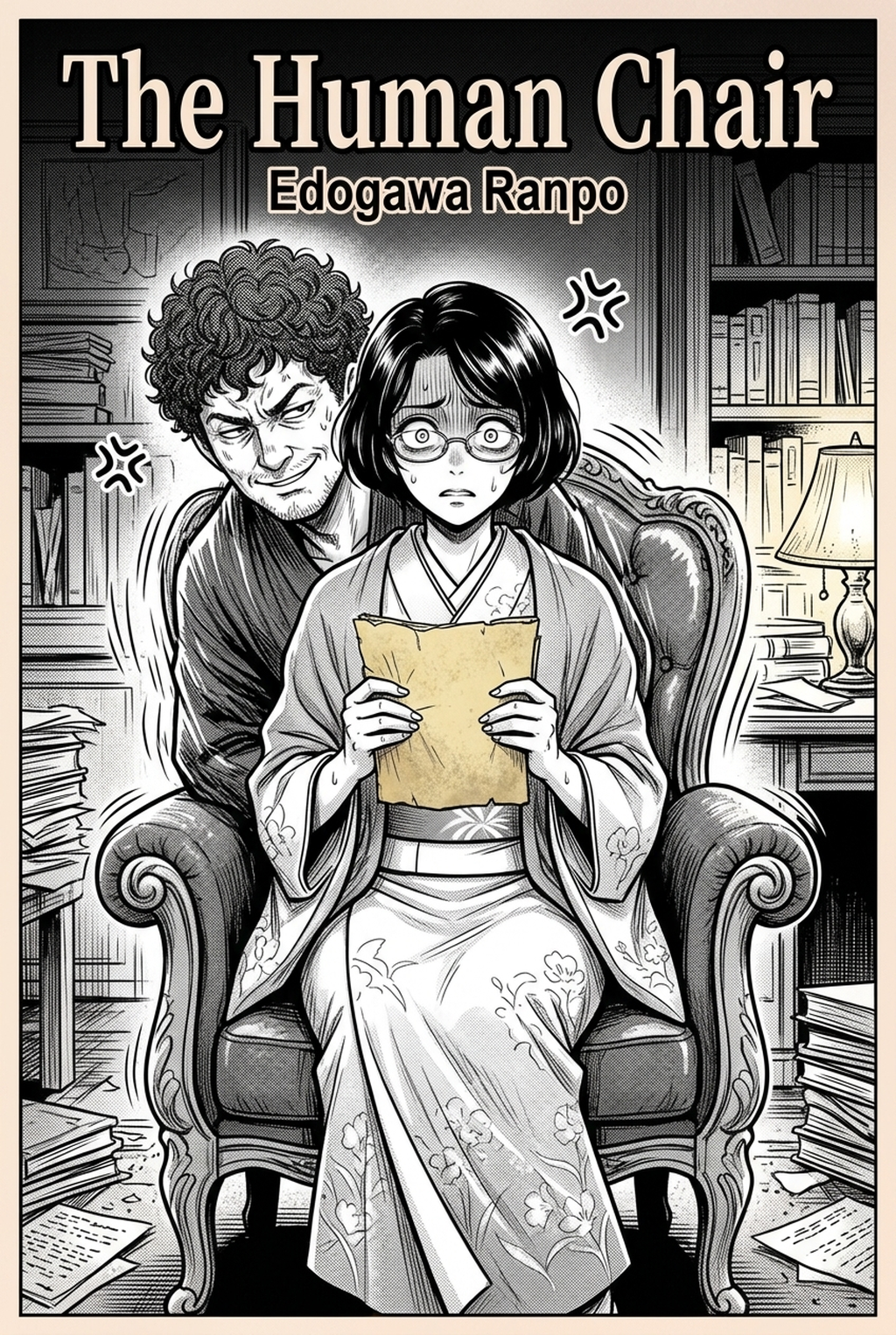
AI Manga Colorist: Why Convert B&W Manga Page to Full-Color Manga Page
The Anime News Network feature on how manga is made describes manga as staged work from rough draft to finished page. That production context matters for Seinen creators because AI assistance is useful only when the sketch, inking pass, and final page review stay connected.
B&W manga page to full-color manga page manga helps creators choose the right Mangaka workflow for cleaner pages, steadier style, and review-ready output. The comparison starts with production speed, manual control, line quality, and export readiness because those factors shape whether a page can move into final review.
You are likely balancing a demanding production schedule with the desire to compete in a visually saturated market. When you decide to add color to your existing line work, you aren't just adding pigment; you are reinterpreting the visual language of your narrative, ensuring that your panels remain readable even with the added complexity of lighting and texture.
Reader Expectations and Visual Quality
Seinen manga often relies on detailed backgrounds and nuanced character expressions. The goal is to maximize the visual impact per page without sacrificing the time required for storyboarding and scripting. Converting B&W pages to color is a strategic move to extend the longevity of your series by making your digital archive feel refreshed and accessible for new readers.
Where Style Consistency Breaks
The biggest risk in manual coloring is "drift," where character color palettes or light sources shift accidentally across different chapters. This often happens when working with multiple assistants or relying on different software brushes. Maintaining a unified look requires rigid documentation of your color assets.
How Mangaka Handles B&W Manga Page to Full-Color Manga Page
You need a solution that acts as an extension of your own hand rather than a replacement. Mangaka is designed to interpret your B&W line work through a lens that respects the original weight and depth of your pen strokes, allowing for a seamless transition to color that doesn't "muddy" your art.
Workflow Fit for Creator Output
Mangaka functions by isolating your line work layer from the base composition, ensuring that the integrity of your ink—those crucial cross-hatched shadows and defined edges—remains untouched. When you upload your page to B&W manga page to full-color manga page manga with Mangaka , the engine recognizes the intentional contrast in Seinen art styles. It fills the gaps based on contextual cues, effectively handling the flatting process that typically takes hours of manual selection and fill-bucket work. This allows you to focus your creative energy on final rendering and lighting effects, significantly reducing the "grunt work" phase of your production process.
Review Controls Before Export
** you maintain the ability to define key parameters that influence how the color is applied. Because the engine preserves the original line work, you aren't fighting against a loss of resolution. This manual verification step is essential for preserving the unique "voice" of your art.
Step-By-Step Guide
To ensure your transition from B&W to color is effective, follow these steps to maintain quality throughout the conversion. This keeps the review focused on story intent, line weight, panel readability, and the export quality behind the final AI Manga Colorist output.
Creative Brief and Generation Quality
- High-Resolution Source: Start with your original 600 DPI files. Reducing the file size before color application can cause aliasing issues that make the final color look pixelated or blurry around the edges. * Ink Density Check: Ensure your lines are truly black (K=100) and your backgrounds are cleaned of scan noise. The clearer your input, the more accurate the color placement will be. * Palette Definition: Before starting the color conversion process, define your core character palettes. Consistency in your color design—the specific hex codes for a character’s hair, outfit, or eyes—is the key to maintaining professional standards.
Quality Checks Before Export
| Checkpoint | Action | Reason |
|---|---|---|
| Line Integrity | Zoom to 200% on complex character details | Ensure line art hasn't been smoothed or degraded. |
| Color Bleed | Check gaps between solid blacks and adjacent colors | Verify that colors don't leak into unintended panel areas. |
| Lighting Contrast | Apply a black-and-white adjustment layer to the result | Ensure the composition still holds up under monochrome inspection. |
Tips for Cleaner Output
You want your finished color pages to look intentional, not processed. Achieving this requires a critical eye during the final stages of production. Creators can use each revision decision to clarify panel readability, character consistency, and export quality before publishing or sharing.
Creative Decisions and Export Quality
- Respecting Line Weight: A good conversion should never thicken or soften your lines. If your original art has thin, delicate line work, the color application must be precise enough to respect those borders. * The Hand-Colored" Texture: Look for color output that provides enough depth to stand on its own but leaves room for you to paint over "hero" panels where specific lighting effects are required. * Layer Separation: Always aim to output your files in a format that allows you to keep your ink lines on a separate, top-level layer. This is vital for late-stage tweaks.
Export Checks Before Publishing
- Proofing: Always export a "soft proof" version to see how the colors look on a mobile device versus a high-resolution tablet, as Seinen audiences often view content across different hardware. * Consistency Test: Place your newly colored page next to a previous one. If the color temperature has shifted, use your software’s adjustment layers to balance them before final publication. * Metadata: Ensure your files are exported with the correct color profile (sRGB is usually best for web display) to avoid color shifting when uploading to distribution platforms.
Release cadence belongs in the production context for manga tools. For creators, the useful product question is whether pages stay readable when schedule pressure rises. Export quality depends on whether the creator can still adjust cleanup, line weight, and handoff settings after AI assistance. Wacom comic and manga creation guidance ties that point to drawing practice instead of broad AI-image claims.
- Reader expectations. MyAnimeList manga news keeps genre expectations visible for readers who scan action, character acting, and page rhythm quickly. Shonen inking should preserve panel clarity, not just cleaner lines.
- Drawing practice. Wacom's comic and manga creation guide ties tool choice to brush control, cleanup effort, and export readiness. That keeps review grounded in creator workflow.
The Bottom Line
A useful coloring pass keeps the story goal, visual style, and review step clear before export. AI Manga Colorist gives creators a faster first pass without removing the final human review. That extra context helps the reader connect the creative choice to character consistency, composition, speech-bubble space, and final file format.
Start creating with B&W manga page to full-color manga page manga when you are ready to turn the reviewed idea into finished manga pages. Test it with one real page goal, one reference boundary, and one export requirement so the decision stays tied to production quality.
Discussion