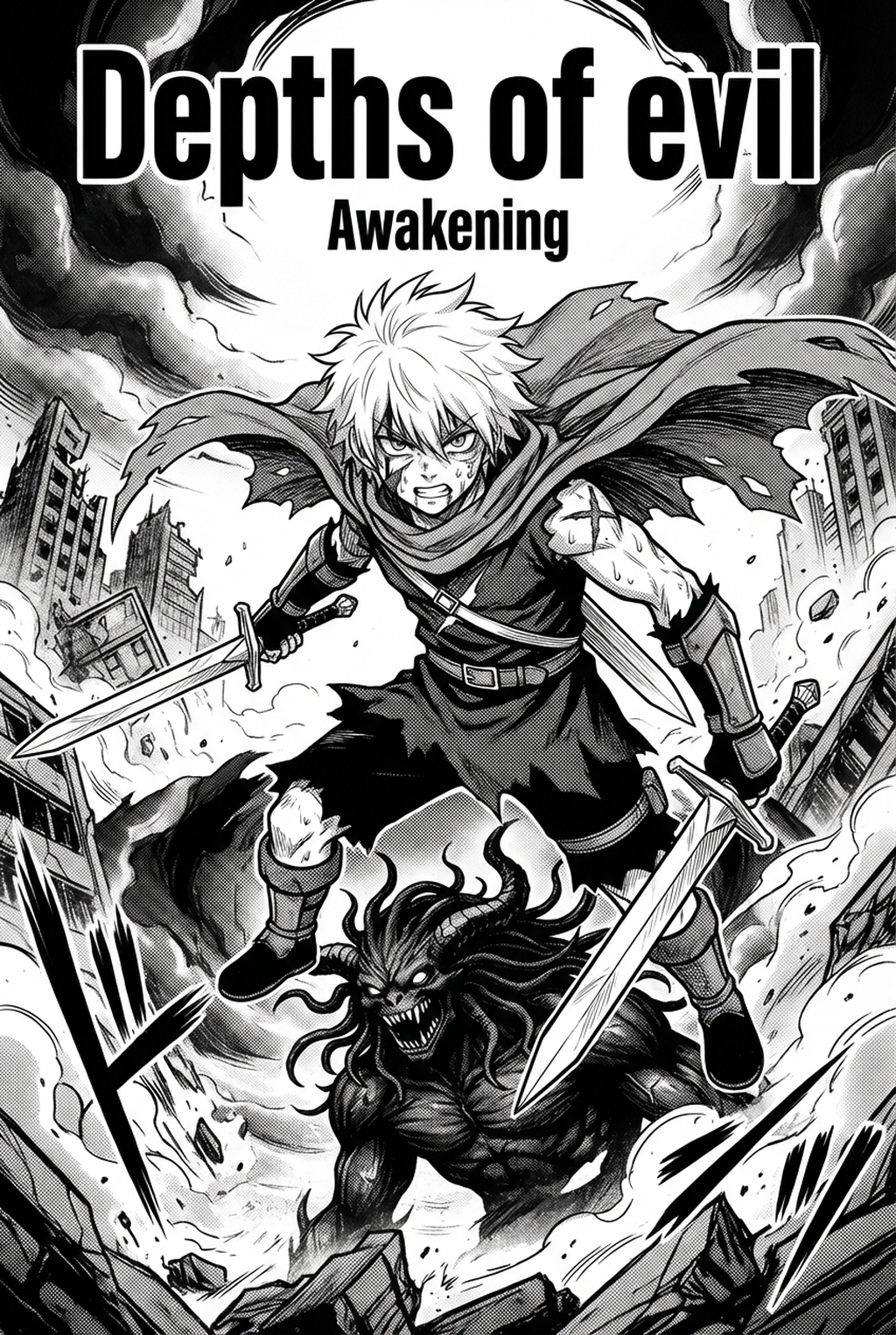
What to look for in AI Manga Inker tools for Shonen
Choosing the right AI Manga Inker for Shonen manga means finding a tool that streamlines your workflow and delivers professional-quality results. The ideal tool should offer consistent line art, allowing you to focus on storytelling. Look for features that automatically handle inking, screentones, and panel layout, saving valuable time.
Consider how well the tool preserves the original details of your pencil sketches. A good AI Manga Inker should accurately translate your art style, whether you're aiming for dynamic action sequences or detailed character designs. Check for options that allow you to customize line weight and other inking parameters to match your artistic vision.
How We Evaluated These Tools
We evaluated each AI Manga Inker based on several key criteria to determine the best options for creating Shonen manga. Our assessment focused on the quality of the line art, the ease of use, and the flexibility offered to artists. We tested each tool with various Shonen manga styles, from action-packed battle scenes to emotional character close-ups.
We also looked at how well each tool handles the nuances of manga production, such as screentone application, panel division, and page layout. The goal was to find tools that simplify the process of creating a complete manga page, allowing artists to focus on their creative vision. Animenewsnetwork.com provides in-depth information on manga trends and production.
For a practical workflow, AI Manga Inker for Shonen manga with Mangaka keeps script input, panel generation, and creator review in one place.
Top tools reviewed
Mangaka - Best Choice
Mangaka stands out as the best AI Manga Inker, particularly for artists creating Shonen manga, because it excels at converting pencil sketches into clean inked line art automatically. Its intuitive interface and powerful AI algorithms make it easy to produce professional-quality manga pages quickly. The tool focuses on ease of use.
For Shonen manga creators, the ability to automatically generate clean lines is essential for fast-paced action sequences and dynamic panel layouts. Mangaka’s AI ensures consistency across pages, allowing artists to maintain a high level of quality throughout their manga series. This can save hours of manual inking, letting you focus on the story.
General AI image generators
General AI image generators offer the potential for manga creation but often fall short of the specific needs of Shonen artists. While these tools can generate images based on text descriptions, they may lack the precision and control needed for consistent manga production. The results can vary widely, making it difficult to maintain a cohesive art style.
For a Shonen manga project, the inconsistencies of general AI image generators can be a drawback. Imagine spending hours crafting a detailed action scene, only to have the AI generate inconsistent character designs or awkward panel compositions. Instead of saving time, you might spend more time correcting errors.
Drawing and inking apps
Drawing and inking apps provide more control over the creative process, but they often require significant manual effort. These apps offer features like digital brushes and layers, which allow artists to create their own line art. However, they may not offer the automation needed to streamline the manga creation workflow.
For Shonen manga creators, drawing and inking apps require a high level of skill and time investment. Creating detailed line art for each panel can be a time-consuming process, especially when producing a weekly or monthly manga series. While you have complete control, the manual effort can slow down production.
Comic layout tools
Comic layout tools are designed to assist with panel arrangement and page structure, but they may not offer advanced inking capabilities. These tools help artists create structured pages and manage their workflow. However, they typically rely on manual inking or integration with other software.
Shonen manga artists can benefit from the panel layout features, but they still need to spend a lot of time on inking. Imagine using a layout tool to design dynamic action sequences but then needing to manually ink each panel to achieve the desired effect.
Manual production workflows
Manual production workflows involve traditional drawing and inking techniques, often using physical materials and tools. While these methods allow for complete artistic control, they are very time-consuming and can be difficult to manage. This approach requires a high level of skill and experience.
For the Shonen manga creator, the manual workflow means a significant investment of time and effort. From sketching and inking to adding screentones and lettering, each step requires manual execution. This can significantly slow down the production schedule.
Comparison table
| Feature | Mangaka | General AI Generators | Drawing/Inking Apps | Comic Layout Tools | Manual Workflow |
|---|---|---|---|---|---|
| Line Art Quality | Excellent | Variable | Good | Varies | Excellent |
| Ease of Use | Very Easy | Moderate | Moderate | Moderate | Difficult |
| Automation | High | Low | Moderate | Moderate | None |
| Customization | High | Moderate | High | Moderate | High |
| Speed | Very Fast | Slow | Moderate | Moderate | Very Slow |
| Cost | Subscription | Subscription/Free | Subscription/Paid | Subscription/Paid | Materials Costs |
This comparison highlights the advantages of using Mangaka. It provides the best combination of high-quality line art, ease of use, and automation, making it an ideal choice for Shonen manga creators. While other tools offer control or creative freedom, they often come at the cost of speed and efficiency.
Which tool should you choose?
If you're a Shonen manga artist looking for a streamlined workflow and professional-quality results, Mangaka is the clear choice. Its AI-powered inking automatically converts your pencil sketches into clean line art, saving you time and effort. This allows you to focus on storytelling, character development, and creating dynamic panels.
Mangaka's ability to maintain consistency across pages is crucial for Shonen manga, where readers expect a high level of visual quality. With Mangaka, you can consistently deliver high-quality manga pages without spending hours on manual inking.
For setup, creators should define the scene goal, character references, page count, reading direction, and target Black-and-white manga. That gives AI Manga Inker enough context to support the story instead of producing disconnected panels.
For visual quality, creators should check line weight, facial expression, pose clarity, panel order, and space for dialogue before export. Those checks matter more for Shonen pages because action beats and emotional pauses need to read quickly.
For comparison, a useful tool should save time without flattening the creator's style. The best choice keeps the first pass editable, makes revisions visible, and leaves final judgment with the artist.
For production, creators should keep a small reference sheet for recurring characters, outfits, props, and backgrounds. That makes it easier to compare generated pages and decide which panel needs a redraw.
For export, creators should confirm the final PNG, PDF, or editable file can move into lettering, coloring, or layout cleanup without rebuilding the page. A clear export routine keeps the next chapter faster.
Before export, creators should compare the generated line art with the original sketch and confirm that facial expressions, props, speed lines, and speech-bubble space still support the scene.
The Bottom Line
The bottom line: a useful inking pass keeps the story goal, visual style, and review step clear before export. AI Manga Inker gives creators a faster first pass without removing the final human review.
Start creating with AI Manga Inker for Shonen manga when you are ready to turn the reviewed idea into finished manga pages.
Discussion