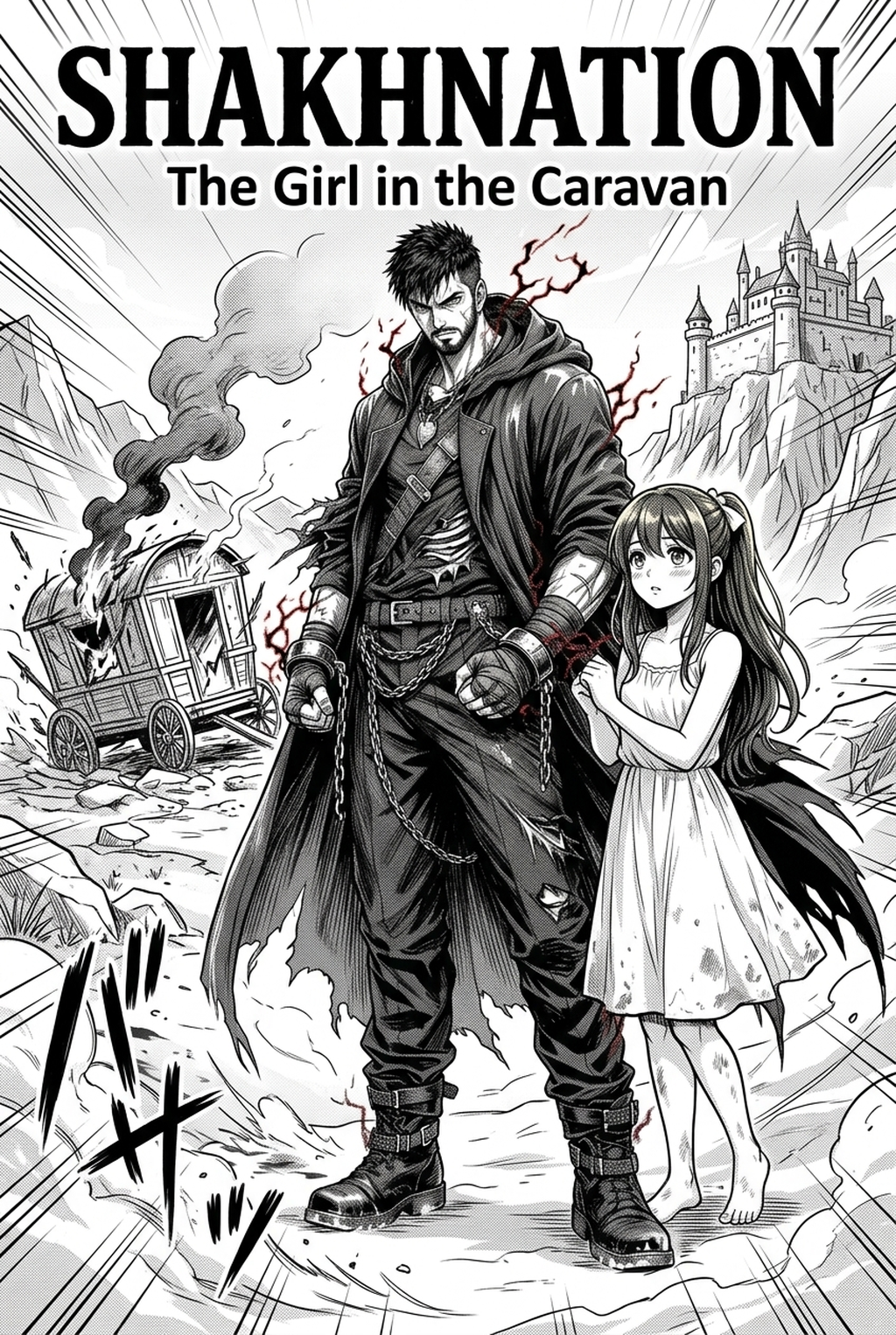
What Is AI Manga Style Transfer for Shojo Manga?
The Anime News Network feature on how manga is made describes manga as staged work from rough draft to finished page. That production context matters for Shojo creators because AI assistance is useful only when the sketch, inking pass, and final page review stay connected.
A useful manga workflow ties setup, review responsibility, and export conditions to the page a creator needs to finish. That keeps the decision focused on sketch cleanup, character intent, panel readability, and the publishing handoff. You are likely familiar with the frustration of spending hours on line art only to lose the "spark" of your initial sketch. AI manga style transfer is a specialized process that takes your rough drawings or grey-scale layouts and translates them into a finished, professional Shojo art style. Instead of starting from scratch for every panel, this technology identifies the intent behind your strokes and re-renders them into high-fidelity lines, colors, and textures that match your pre-defined aesthetic.
- Style Preservation: It recognizes the nuances of Shojo, such as large, expressive eyes and flowing, ethereal hair. * Layer Optimization: It retains the structure of your composition while enhancing line weight and clarity. * Palette Integration: It automatically applies soft pastel tones, essential for the romantic, light-hearted, or dramatic mood common in the genre. * One-Click Rendering: It removes the need for repetitive manual cleanup, allowing you to focus on storytelling rather than pixel-pushing.
Why AI Manga Style Transfer Matters for Shojo in 2026
By shifting the heavy lifting of rendering to specialized AI, you avoid the burnout that causes many indie projects to go on indefinite hiatus. Rather than spending three hours finalizing a single romantic close-up, you can spend that time perfecting the dialogue or sketching the next three scenes. You regain your creative energy, ensuring that your passion for the project stays as fresh as your art.
How AI Manga Style Transfer Works for Shojo in Pastel Vertical Comic Platforms
Bringing a pastel vertical comic platforms to life requires a delicate balance of softness and detail. When you use tools designed for this specific look, the workflow becomes an intuitive extension of your creative process.
- Sketch Generation: Create your rough panels. You don't need perfect lines; focus on the flow of the characters and the composition of the scene. 2. Style Selection: Choose a target aesthetic that aligns with your specific Pastel" look—think soft highlights, blushing gradients, and gentle outlines. 3. Rendering: Apply the transformation to your sketch. The engine analyzes your layout and reconstructs the details, turning messy pencil strokes into crisp, colorful manga panels. 4. Refinement: Make minor manual adjustments. You remain the final authority on the composition, editing only the details that need that human touch.
Consistency is the cornerstone of any great long-running series. To ensure your characters look the same from chapter one to chapter fifty, it is vital to keep your input sketches consistent in terms of proportions and facial features. By maintaining a stable library of character references, you allow the tool to consistently apply the correct hair colors, eye shapes, and costume details across every panel.
Use Cases for AI Manga Style Transfer
Use cases are strongest when the story goal, genre expectation, visual risk, and final export format are clear. A useful example names the page detail a creator checks before the page moves into lettering, coloring, or publishing. Shojo creators face unique challenges, especially when balancing character-heavy dramas with lush, atmospheric backgrounds.
- Rapid Storyboarding to Final Art: If you have a backlog of storyboards, you can instantly convert them into finished pages, significantly reducing the gap between writing and publishing. * Background and Asset Consistency: Shojo often relies on floral or architectural motifs. Using AI to render backgrounds ensures that repetitive elements like patterns or classroom settings look professional and uniform every time. * Complex Transformation Sequences: Drawing delicate costume changes or magical transformations can be tedious. Style transfer allows you to sketch the key poses and let the system fill in the intricate details of fabric and movement. * Color Mood Management: Easily shift the lighting and color palettes for emotional scenes—such as a rainy day vs. a sunny school afternoon—without having to repaint the entire scene from scratch.
Step-By-Step Guide to Start with Mangaka
Start by preparing the creative brief, reference notes, character constraints, and export target before generation. The setup matters because a clearer brief gives the review pass something specific to judge: silhouette, expression, panel readability, and file readiness. Transitioning to a more efficient workflow doesn't have to be complicated. Mangaka is built to integrate into your existing process, helping you turn raw sketches into finished art at AI Manga Style Transfer for Shojo manga with Mangaka .
- Sign Up: Create your creator profile to save your project preferences and style settings. * Paste/Upload: Simply drag and drop your rough sketch or storyboard file into the workspace. * Generate/Download: Trigger the render process to instantly generate your polished Shojo panel and download it in your preferred vertical comic platforms-ready format.
Release cadence belongs in the production context for manga tools. For creators, the useful product question is whether pages stay readable when schedule pressure rises. Export quality depends on whether the creator can still adjust cleanup, line weight, and handoff settings after AI assistance.
Wacom comic and manga creation guidance ties that point to drawing practice instead of broad AI-image claims. Setup Readiness. Creators should define the scene goal, character references, page count, reading direction, and target Pastel vertical comic platforms. That gives AI Manga Style Transfer enough context to support the story instead of producing disconnected panels.
- Reader expectations. MyAnimeList manga news keeps genre expectations visible for readers who scan action, character acting, and page rhythm quickly. Shonen inking should preserve panel clarity, not just cleaner lines.
- Drawing practice. Wacom's comic and manga creation guide ties tool choice to brush control, cleanup effort, and export readiness. That keeps review grounded in creator workflow.
The Bottom Line
A useful creator workflow keeps the story goal, visual style, and review step clear before export. AI Manga Style Transfer gives creators a faster first pass without removing the final human review. This keeps the review focused on story intent, line weight, panel readability, and the export quality behind the final AI Manga Style Transfer output.
Start creating with AI Manga Style Transfer for Shojo manga when you are ready to turn the reviewed idea into finished manga pages. Test it with one real page goal, one reference boundary, and one export requirement so the decision stays tied to production quality.
Discussion