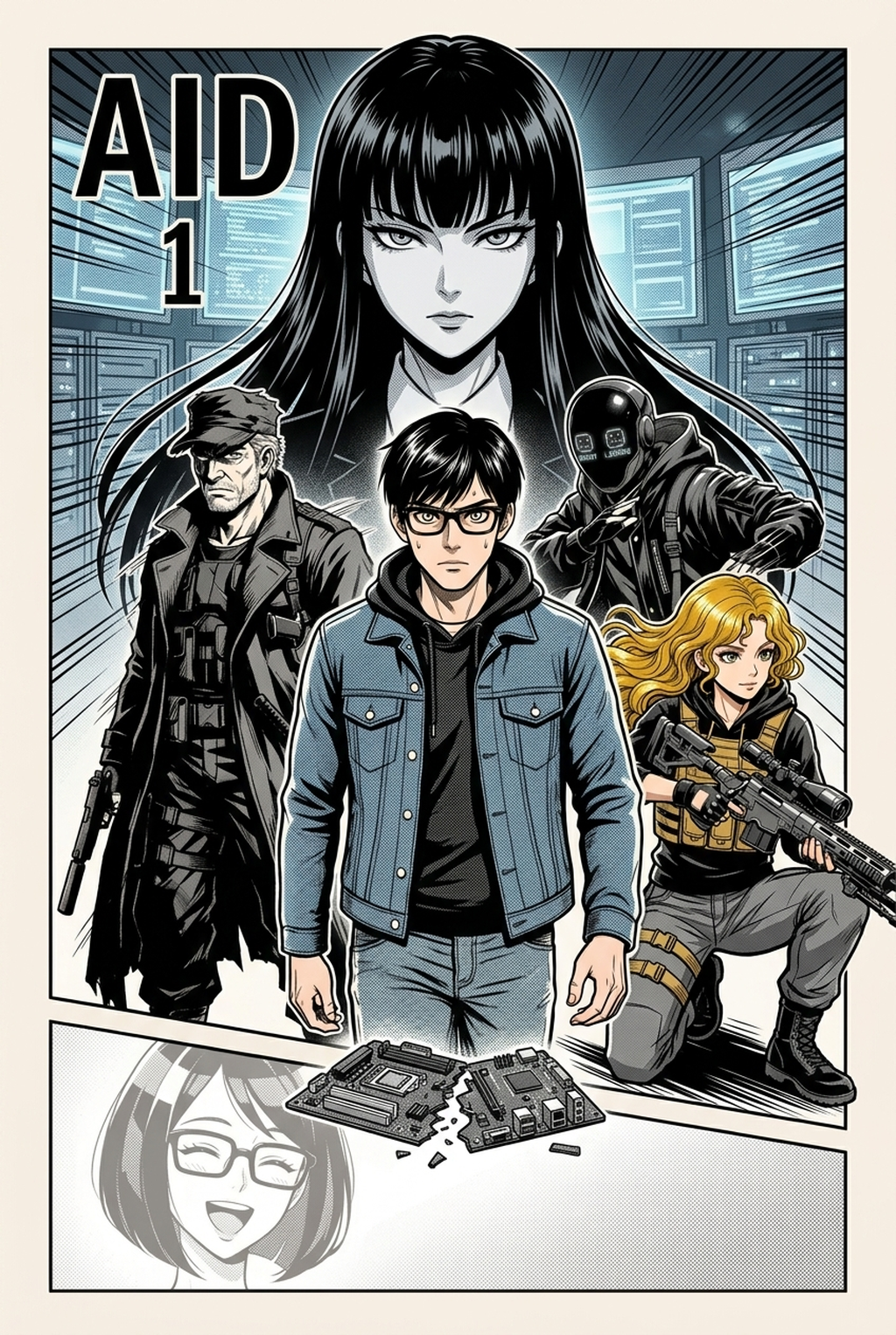
AI Manga Storyboard Builder: Prerequisites for AI Manga Storyboard Builder in Shojo
AI Manga Storyboard Builder for Shojo manga helps creators choose the right Mangaka workflow for cleaner pages, steadier style, and review-ready output. The comparison starts with production speed, manual control, line quality, and export readiness because those factors shape whether a page can move into final review. You need a clear vision for your scene before the AI can effectively mirror your storytelling style. Because Shojo relies heavily on character expression and ambient background details, your preparation determines the quality of the output.
Creative Decisions and Export Quality
Creators thrive with this tool when they have a concrete script ready to be visualized. You should verify that your page count expectations match the complexity of your scene; a single page of Shojo often requires more "breathing room" than action-heavy genres to emphasize internal monologues. Ensure you have:
- A concise script: Focus on dialogue and emotional beats rather than complex camera directions.
- A clear stylistic goal: Decide early if you want a dreamy, ethereal look or a more grounded school-life aesthetic.
- Panel distribution: Recognize that emotional impact often requires larger, "hero" panels to highlight character reactions, as noted in Shojo narrative theory .
Quality Checks Before Export
Before You Finalize Your Storyboard. You must ensure the flow doesn't disrupt the reader's eye path. You are looking for a natural rhythm where the visual weight shifts gracefully from character eyes to dialogue bubbles. Check for:
- Emotional Continuity: Do the facial expressions in the generated panels align with the mood of your dialogue? * Spacing: Is there enough whitespace around the panels to maintain that signature "soft" Shojo feel? * Clarity: Can a reader understand the sequence of events without needing additional text?
- Chapter cadence. Use the AI pass for pages where speed matters most, such as repeated action poses, transformation beats, or dense speed-line panels. Keep manual cleanup for hero panels where the line style defines the emotional peak.
- Character continuity. Compare the generated lines against the same model sheet, costume notes, and facial-expression range used during sketching. This prevents a fast inking pass from drifting away from the character identity readers recognize.
- Export readiness. Check whether the Pastel webtoon can move into lettering, coloring, or final layout without rebuilding panel borders or speech-bubble space. A good Shojo workflow should save time while keeping the next production step predictable.
Step 1: Sign Up at Mangaka
Start by preparing the creative brief, reference notes, character constraints, and export target before generation. The setup matters because a clearer brief gives the review pass something specific to judge: silhouette, expression, panel readability, and file readiness. You can begin your journey by visiting the AI Manga Storyboard Builder for Shojo manga with Mangaka . The registration process is designed to be minimal so you can spend your energy on the actual storytelling rather than navigating administrative barriers. Once you have created your account, you will have access to the full suite of narrative tools tailored for vertical comic platforms-style composition.
Step 2: Paste or Upload Your Shojo Script
Step 3: Generate and Download Pastel Vertical Comic Platforms Panels
Tips for Best Results in Shojo Manga
You want your project to resonate with the specific visual language of Shojo. Success here comes down to refining the "softness" of the output so that it aligns with your personal artistic signature.
Workflow Fit and Review Needs
A common mistake is trying to pack too much information into a single screen. For Shojo, utilize the "less is more" approach. Use fewer, larger panels when a character is experiencing a moment of realization. This creates a rhythmic pause that keeps your readers engaged with the characters' internal world.
Reader Impact Before Publishing
Always review the panel boundaries to ensure they aren't cutting off key character expressions. Since digital vertical comic platforms prioritize vertical reading, ensure the transition between panels feels fluid, like a camera panning down a scene. If a panel feels too "heavy," don't hesitate to regenerate that specific section to achieve a lighter, more ethereal composition. Export quality depends on whether the creator can still adjust cleanup, line weight, and handoff settings after AI assistance. Wacom comic and manga creation guidance ties that point to drawing practice instead of broad AI-image claims.
- Production context. Anime News Network's manga production feature describes manga as staged work from rough draft to finished page. Use it to judge whether AI inking helps cleanup without weakening review.
- Reader expectations. MyAnimeList manga news keeps genre expectations visible for readers who scan action, character acting, and page rhythm quickly. Shonen inking should preserve panel clarity, not just cleaner lines.
- Drawing practice. Wacom's comic and manga creation guide ties tool choice to brush control, cleanup effort, and export readiness. That keeps review grounded in creator workflow.
The Bottom Line
A useful creator workflow keeps the story goal, visual style, and review step clear before export. AI Manga Storyboard Builder gives creators a faster first pass without removing the final human review. Creators can use each revision decision to clarify panel readability, character consistency, and export quality before publishing or sharing. Start creating with AI Manga Storyboard Builder for Shojo manga when you are ready to turn the reviewed idea into finished manga pages. Test it with one real page goal, one reference boundary, and one export requirement so the decision stays tied to production quality.
Discussion