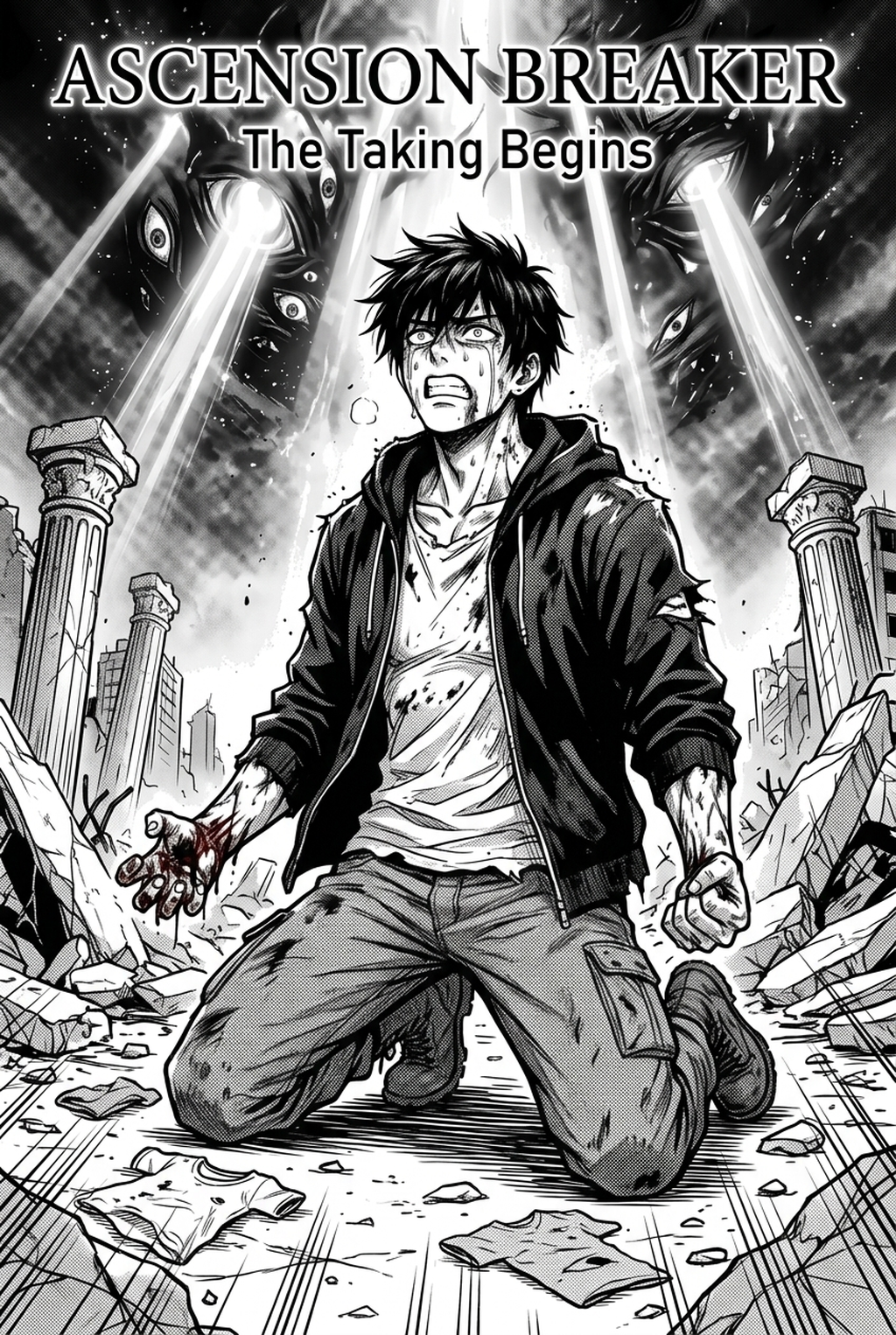
What is AI Manga Panel Generator?
An AI Manga Panel Generator is a tool that uses artificial intelligence to help manga creators generate manga panels. Instead of drawing each panel manually, you can use these tools to automate parts of the manga creation process. This technology takes your ideas and transforms them into visual manga panels, streamlining your workflow.
What a creator is trying to achieve is a faster, more efficient way to bring their manga stories to life. Manga creation is a time-consuming process. Creators spend hours on each panel, from sketching and inking to adding color and dialogue. An AI Manga Panel Generator workflow workflow helps alleviate some of this burden by automating the panel creation process. This allows creators to focus on storytelling, character development, and refining the overall narrative. Ultimately, the goal is to produce high-quality manga more quickly and efficiently.
Why AI Manga Panel Generator matters for manga creators
The manga industry is competitive, and speed and quality are essential. An creator workflow can significantly impact several aspects of the manga creation process. Consider these points:
- Speed: Generating panels manually takes time. AI tools can create panels in minutes, accelerating the production process. This is particularly useful for creators working on tight deadlines or those looking to publish more frequently.
- Panel Flow: These tools can help creators visualize the panel layout and ensure a smooth reading experience. Experimenting with panel arrangements becomes easier, leading to more dynamic and engaging pages.
- Character Consistency: Maintaining consistent character designs across multiple panels and pages can be challenging. AI tools help by generating characters based on your specifications, ensuring a uniform look and feel throughout the manga.
- Line Art: Line art is a crucial element of manga. AI tools can produce clean, crisp line art, saving creators time and effort in the inking phase. You can then refine the output to match your artistic style.
- Coloring: Adding color to manga panels can be time-consuming. AI tools can provide color suggestions or even automatically color panels, allowing you to focus on the overall color palette and mood of your story.
- Publishing Quality: By streamlining the production process, AI tools can help creators maintain a high level of quality while increasing the volume of work they produce. This can improve the chances of getting published or gaining a larger audience.
How AI Manga Panel Generator works with Mangaka
Mangaka is an AI-powered tool designed to assist manga creators at every stage of the production process. Mangaka’s page workflow helps creators transform their written scripts into compelling manga panels.
Here's how it works: You input your script, including descriptions of scenes, character actions, and dialogue. The AI then generates manga-style panels based on your input. You can customize the style, character designs, and panel layout to match your artistic vision. Mangaka also offers features for refining line art, adding color, and arranging dialogue. This allows you to create high-quality manga pages quickly and efficiently.
The product-specific benefit of Mangaka is that it turns a written script into a sequence of manga-style panels in minutes. This dramatically reduces the time spent on panel creation, allowing creators to focus on other aspects of their work. With Mangaka, you can improve your manga workflow by streamlining your production process and creating manga panels with ease. Explore how Mangaka can help you by visiting the AI Manga Panel Generator .
Use cases for AI Manga Panel Generator
final reviews are versatile tools applicable to various manga genres, page formats, and workflow stages. Here are three practical creator scenarios:
- Genre: Shonen Manga - Page Format: Double-Page Spreads - Workflow Stage: Storyboarding. Imagine you're creating an action-packed shonen manga. You have a scene where the hero unleashes a powerful attack. With Mangaka, you can describe the scene in detail: "Hero, glowing aura, launches energy blast. Impact on villain. Debris flying." The AI generates dynamic double-page spreads showcasing the action, allowing you to refine the panel layout and composition before drawing. This saves significant time and effort in storyboarding.
- Genre: Slice-of-Life Manga - Page Format: Standard Manga Pages - Workflow Stage: Character Development. You're working on a slice-of-life manga series. Consistent character designs are crucial. Use Mangaka to generate consistent character models based on your descriptions. You can then use these generated characters in various panels and scenes. This ensures that your characters look uniform and maintain a consistent appearance throughout the manga, enhancing the reader's experience.
- Genre: Historical Manga - Page Format: Digital vertical comic platforms Format - Workflow Stage: Coloring. You're creating a historical manga and want to add color to your panels. Mangaka can help you by generating color suggestions based on the scene's mood and setting. For example, if a scene takes place during a sunset, the AI might suggest warm hues of orange and red. You can then adjust the colors to match your artistic style, saving time and effort in the coloring phase. This is especially useful for vertical comic platforms formats, which often feature full-color pages.
Step-by-step guide to start with Mangaka
Getting started with Mangaka is a straightforward process. Here's a step-by-step guide:
- Open Mangaka: Go to the Mangaka website and create an account or log in.
- Choose or describe the creative task: Select the "Create" option, and then specify your manga project. This might involve describing your scene, story, or character design.
- Review, refine, and export the result: The AI will generate manga panels based on your input. Review the results, make any necessary adjustments to the line art, color, or dialogue layout, and then export your finished panels in your desired format (e.g., PNG or PDF).
A reliable creator workflow workflow workflow starts with a short creative brief: genre, character notes, page count, panel mood, and the target reading direction. That gives Mangaka enough context to keep the generated page useful instead of producing disconnected images.
Creators should review the output for character consistency, panel order, speech-bubble space, and whether the final PNG or PDF can move into editing without redrawing the layout. These checks are faster when the source script and generated panels stay in one workflow.
Before export, creators should compare the page against the scene goal: mood, pose, line weight, readable dialogue, and the format needed for editing or publishing. That review keeps the result useful without repeating the same production advice.
The setup should separate creative direction from production cleanup. A creator can define the genre, page format, character references, and visual tone first, then use Mangaka to turn that direction into cleaner panels for review.
The revision pass should focus on choices a reader will notice: whether the eye moves through panels naturally, whether important actions are readable, and whether the line art supports the genre rather than fighting it.
For broader manga market context, Anime News Network industry coverage is a useful source for tracking publishing formats, creator trends, and audience expectations.
A reliable creator workflow should start with a short brief that names the scene goal, recurring character details, panel mood, and export format. That gives the tool enough context to support the story instead of producing disconnected art assets.
The review pass should check line weight, facial expression, pose clarity, panel order, and dialogue space before export. These checks make the result easier to edit in a drawing app or hand off to collaborators.
Creators should also compare the generated page with the intended reading flow. If a reveal, action beat, or emotional pause lands in the wrong panel, the page needs a quick revision before it becomes production-ready.
For recurring projects, saving character notes and style preferences reduces avoidable rework. A small reference sheet helps future pages stay consistent even when the story moves through different scenes or camera angles.
A good export routine should also name the file clearly, keep the editable source nearby, and record which creative briefs or references produced the approved result. That makes the next page faster because the creator is not rebuilding the workflow from memory.
If the draft will be shared with collaborators, the handoff should include the page goal, expected format, and the parts that still need human judgment. This keeps feedback specific instead of turning review into broad comments about style.
For longer manga projects, the same workflow can become a repeatable production checklist. The creator keeps the story decision, Mangaka handles the first structured visual pass, and the final edit stays focused on taste, pacing, and clarity.
Before export, creators should compare the generated line art with the original sketch and confirm that facial expressions, props, speed lines, and speech-bubble space still support the scene.
The Bottom Line
The bottom line: a useful creator workflow keeps the story goal, visual style, and review step clear before export. page workflow gives creators a faster first pass without removing the final human review.
Start creating with Mangaka page planning workflow when you are ready to turn the reviewed idea into finished manga pages.
Discussion