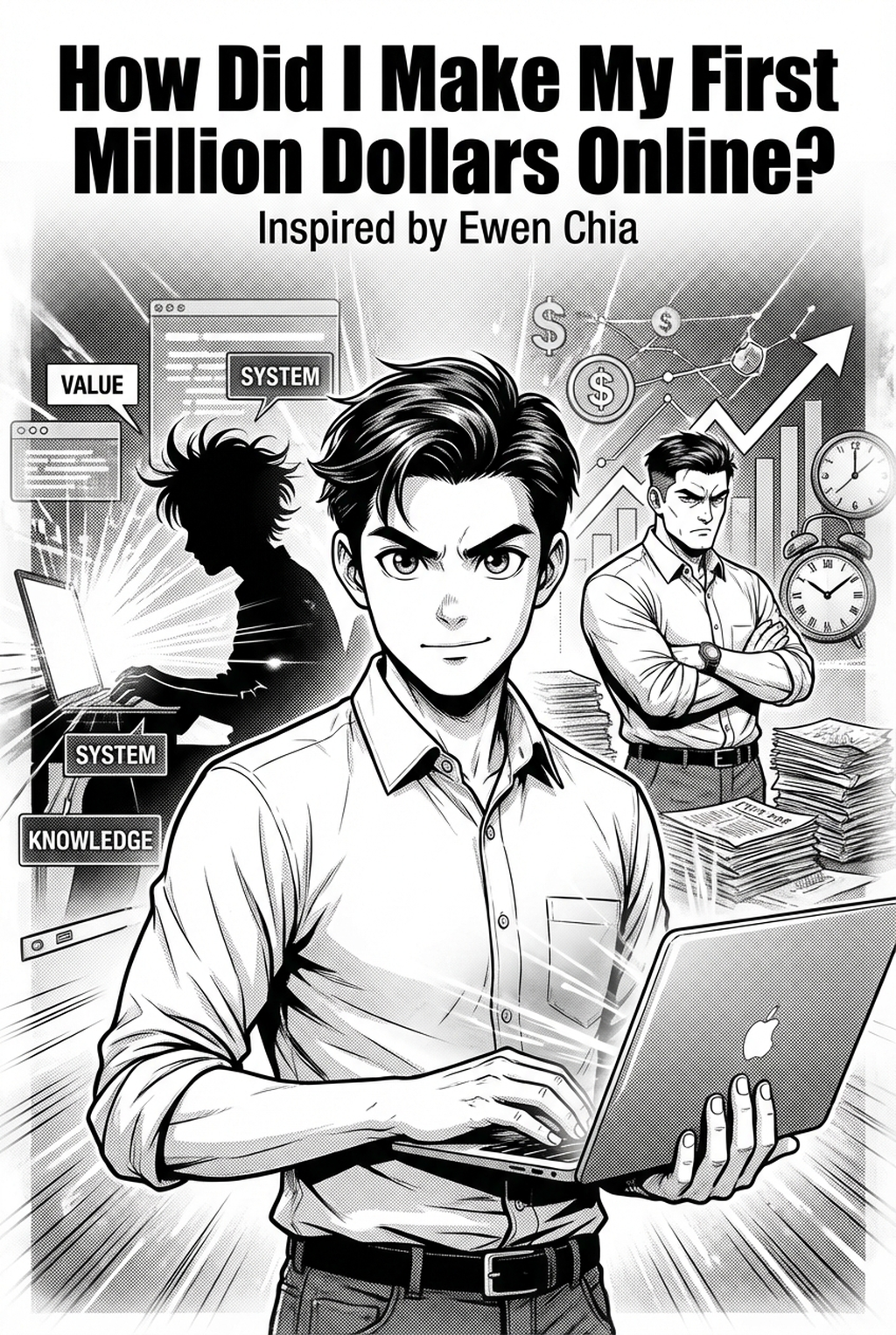
What is AI manga inking workflow?
The AI manga inking workflow is a process that leverages artificial intelligence to automate and enhance the inking stage of manga creation. Inking is the critical step where rough pencil sketches are transformed into clean, defined line art, forming the foundation of the final manga page. Traditionally, this was a manual, time-consuming task, requiring skilled artists to meticulously trace and refine each line. AI tools streamline this process, saving creators time and effort while often improving the quality of the final product.
This workflow typically involves several key steps. First, a creator prepares a pencil sketch, either hand-drawn or digitally created. This sketch is then uploaded to an AI-powered inking tool. The AI analyzes the sketch, identifies lines and shapes, and generates clean, crisp line art. The artist can then review the AI-generated inking, making adjustments and refinements as needed. Finally, the inked lines are integrated with other elements like screentones, color, and dialogue to complete the manga page. This workflow allows for faster iteration, enabling creators to experiment with different styles and layouts more easily.
Why AI Manga Inker matters for manga creators
The AI Manga Inker workflow significantly benefits manga creators by addressing several critical challenges inherent in traditional inking methods. One of the primary advantages is improved line clarity. AI algorithms can produce incredibly precise lines, eliminating the shaky or inconsistent lines that can plague hand-inking. This clarity is crucial for readability, especially in complex panels with numerous details. Clean lines also contribute to a more professional and polished overall look, enhancing the visual appeal of the manga.
Another significant benefit is the improvement of character consistency. Maintaining consistent character designs across multiple panels and pages is crucial for a cohesive narrative. AI-powered inking tools can assist with this by ensuring that key character features, such as facial expressions and body proportions, are rendered accurately and consistently. This consistency helps readers easily recognize characters and follow the story without being distracted by visual inconsistencies.
However, traditional inking involves review risks. Here’s a quick list of challenges:
- Time-Consuming: Manual inking is a highly labor-intensive process, taking up a significant portion of a creator's time, and delaying project completion.
- Skill Dependency: Achieving professional-quality inking requires a high level of skill and experience. This can be a barrier for aspiring artists or those who want to focus on other aspects of manga creation.
- Errors and Corrections: Mistakes are inevitable in manual inking. Corrections can be time-consuming and may require re-inking entire sections, slowing down the production process.
- Fatigue and Repetition: The repetitive nature of inking can lead to artist fatigue, potentially affecting the quality of the work.
For a practical workflow, AI manga inking workflow keeps script input, panel generation, and creator review in one place.
How AI manga inking workflow works with Mangaka
Mangaka streamlines the inking workflow, offering an intuitive and efficient solution for manga creators. The core of Mangaka’s functionality is its ability to convert pencil sketches into clean inked line art automatically. This is achieved through advanced AI algorithms trained on vast datasets of manga artwork.
Here’s how Mangaka simplifies the process:
- Sketch Upload: Creators begin by uploading their pencil sketches to the Mangaka platform. The sketches can be hand-drawn, scanned, or created digitally.
- AI Processing: Mangaka’s AI engine analyzes the sketch, identifying lines, shapes, and details.
- Inking Generation: The AI then generates clean, crisp line art based on the analysis. This process converts pencil lines into precise, professional-looking inked lines.
- Review and Refinement: Creators can review the AI-generated inking within the Mangaka interface. They have the option to make adjustments, refine lines, and correct any imperfections.
- Export: Once the inking is finalized, creators can export the finished line art in various formats, such as PNG or PDF, ready for use in their manga pages.
The primary product USP of Mangaka is that it converts pencil sketches into clean inked line art automatically, saving valuable time and effort in the production process. This automated inking process allows creators to focus on the creative aspects of manga creation, such as storytelling, character design, and panel layout.
Use cases for AI Manga Inker
The page planning workflow is applicable across various manga genres and production scenarios, providing significant benefits to creators of all types.
- Shonen Pages: For action-packed shonen manga, the final review can speed up the creation of dynamic, detailed action panels. The AI can handle complex character poses and backgrounds, allowing the artist to focus on the story and visual impact.
- Webcomic Drafts: Webcomic creators often work on tight schedules. AI inking can help them produce high-quality line art quickly, allowing for more frequent updates and a consistent visual style.
- Creator Teams: In team-based projects, the AI Manga Inker workflow ensures consistency across different artists' styles. This streamlines the collaborative process and maintains a unified visual aesthetic.
- Review Workflows: The ability to quickly generate inked versions of sketches also facilitates faster review cycles. Editors and artists can easily visualize the final look of a page, enabling quicker feedback and adjustments.
The flexibility of AI manga inking makes it suitable for both professional and amateur creators. It empowers individual artists to achieve a polished look and helps teams improve their efficiency and consistency. The versatility of the creator workflow makes it an indispensable tool for manga creators.
Step-by-step guide to start with Mangaka
Getting started with the inking workflow using Mangaka is a straightforward process. Here’s a step-by-step guide:
- Start a Project: Create a new project within the Mangaka platform. This will be the home for your manga pages and sketches.
- Upload a Sketch: Upload your pencil sketch. Make sure the sketch is clear and well-defined, as this will affect the quality of the inked output.
- Review the Results: Once the sketch is processed, review the AI-generated inking. Zoom in to examine details and ensure accuracy.
- Refine the Lines: Use Mangaka’s editing tools to refine lines, correct imperfections, and make any necessary adjustments. This can include smoothing lines, adjusting line weights, and adding or removing details.
- Export and Integrate: Once you're satisfied with the inking, export the finished line art in your preferred format (PNG, PDF, etc.). Integrate the inked lines with other elements like screentones, color, and dialogue in your preferred manga creation software.
By following these steps, you can quickly and easily integrate the page planning workflow into your creative process, saving time and improving the quality of your manga pages.
A reliable final review workflow starts with a short creative brief: genre, character notes, page count, panel mood, and the target reading direction. That gives Mangaka enough context to keep the generated page useful instead of producing disconnected images.
Creators should review the output for character consistency, panel order, speech-bubble space, and whether the final PNG or PDF can move into editing without redrawing the layout. These checks are faster when the source script and generated panels stay in one workflow.
Before export, creators should compare the page against the scene goal: mood, pose, line weight, readable dialogue, and the format needed for editing or publishing. That review keeps the result useful without repeating the same production advice.
The setup should separate creative direction from production cleanup. A creator can define the genre, page format, character references, and visual tone first, then use Mangaka to turn that direction into cleaner panels for review.
The revision pass should focus on choices a reader will notice: whether the eye moves through panels naturally, whether important actions are readable, and whether the line art supports the genre rather than fighting it.
For broader manga market context, Anime News Network industry coverage is a useful source for tracking publishing formats, creator trends, and audience expectations.
A reliable creator workflow should start with a short brief that names the scene goal, recurring character details, panel mood, and export format. That gives the tool enough context to support the story instead of producing disconnected art assets.
The review pass should check line weight, facial expression, pose clarity, panel order, and dialogue space before export. These checks make the result easier to edit in a drawing app or hand off to collaborators.
Creators should also compare the generated page with the intended reading flow. If a reveal, action beat, or emotional pause lands in the wrong panel, the page needs a quick revision before it becomes production-ready.
For recurring projects, saving character notes and style preferences reduces avoidable rework. A small reference sheet helps future pages stay consistent even when the story moves through different scenes or camera angles.
The Bottom Line
The bottom line: a useful inking pass keeps the story goal, visual style, and review step clear before export. AI Manga Inker gives creators a faster first pass without removing the final human review.
Start creating with Mangaka AI Manga Inker when you are ready to turn the reviewed idea into finished manga pages.
Discussion