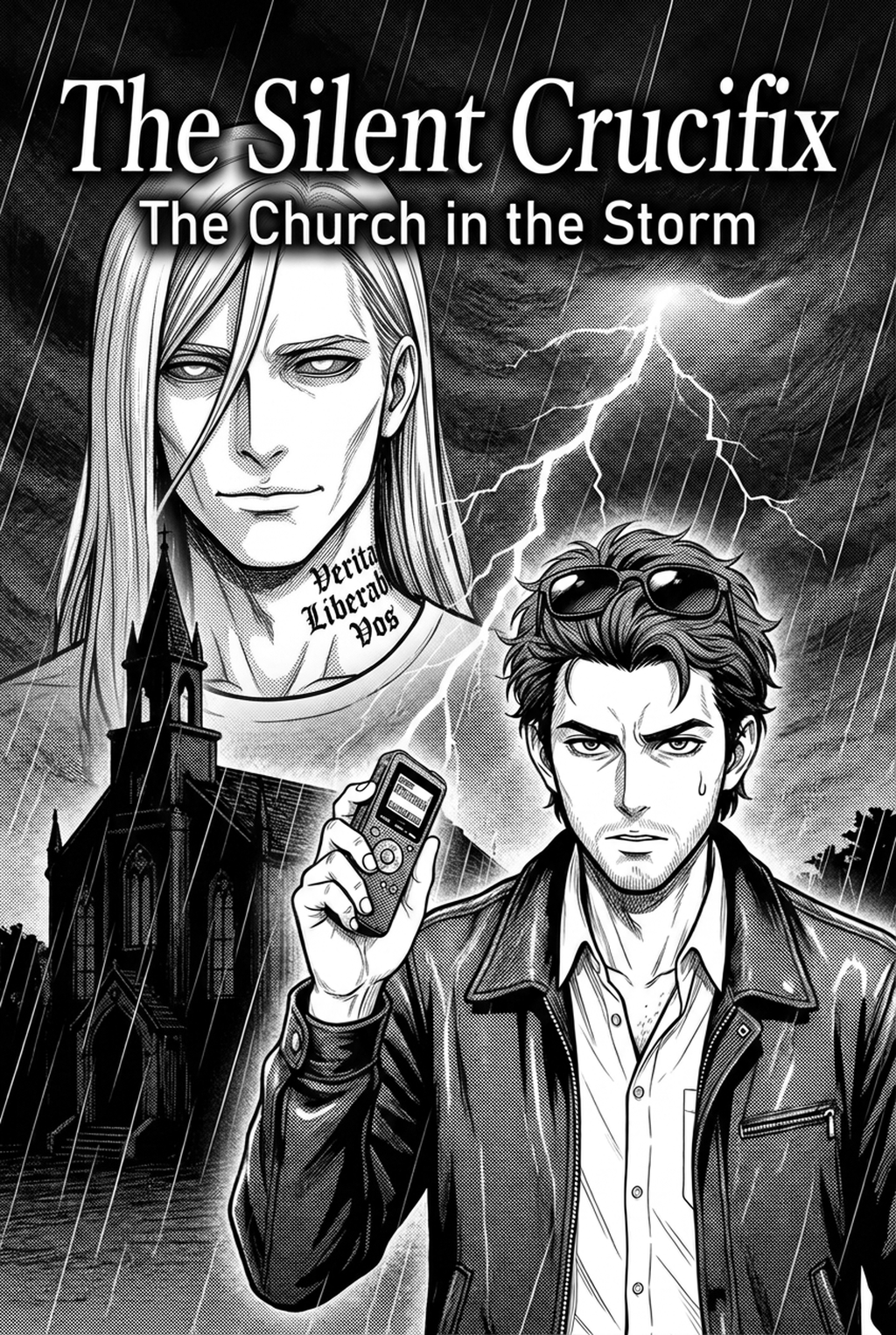
Why AI Manga Inking is trending now
AI Manga Inking is trending because creators want faster ways to move from rough ideas to review-ready manga pages without losing style control. The useful question is how the workflow supports story intent, visual consistency, and final human review.
AI Manga Inking is the process of using artificial intelligence to automatically generate clean, professional-quality line art from rough sketches or drafts. This technology is becoming increasingly popular in the manga industry, allowing creators to streamline their workflow and focus on the creative aspects of storytelling. Instead of spending hours manually inking each panel, artists can now use AI to quickly and accurately convert their pencil sketches into polished final artwork. This is a significant shift, as inking has traditionally been one of the most time-consuming and labor-intensive parts of manga creation.
This technology analyzes the lines, shapes, and details of a sketch and intelligently generates a clean, crisp, and consistent inked version. The AI can understand the artist's intent and produce results that closely match the desired style and aesthetic. This is not just about tracing; it's about interpreting and recreating the original artwork with precision and efficiency. The benefits are numerous, including faster production times, reduced costs, and the ability to experiment with different styles and techniques more easily. AI Manga Inker workflow is more than a trend; it's a fundamental shift in how manga is created.
What creators should know about AI Manga Inking
creator workflow is trending now because of several converging factors. First, the demand for manga content is exploding worldwide. The global manga market is experiencing unprecedented growth, driven by increased popularity across multiple demographics and the expansion of digital platforms. This heightened demand puts pressure on creators to produce more content faster. Secondly, the technology itself has matured. Earlier AI tools struggled with the nuances of line art, but recent advancements in machine learning have enabled AI to accurately interpret and reproduce complex artistic styles, making the process more efficient and reliable. Finally, creators are actively seeking ways to improve their workflow without sacrificing quality. The desire to reduce repetitive tasks and focus on the creative core of storytelling is a key driver behind the adoption of inking workflow.
For creators, page planning workflow offers a significant creative opportunity. It allows them to:
- Accelerate Production: Significantly reduce the time spent on inking, freeing up time for other creative tasks like character design, story development, and panel composition.
- Experiment with Styles: Quickly test different inking styles and techniques without the time commitment of manual inking, enabling creators to refine their visual storytelling.
- Improve Consistency: Maintain a consistent look and feel across panels and pages, ensuring a professional and polished final product.
- Focus on Storytelling: Shift the focus from technical execution to the creative aspects of manga creation, allowing artists to tell more compelling stories.
However, there are also risks. The biggest risk is over-reliance on the technology. Creators must ensure that the AI-generated inking aligns with their artistic vision and that they retain control over the creative process. There's also a learning curve involved in mastering the tools and understanding how to best utilize them. Furthermore, the quality of the output depends heavily on the quality of the input (the original sketch). Poor sketches will likely result in poor inking. The takeaway is to approach final review as a tool to enhance, not replace, the creative process. Creators should view it as a way to augment their skills and streamline their workflow, not as a replacement for their artistic expertise.
For a practical workflow, AI Manga Inking keeps script input, panel generation, and creator review in one place.
Where AI Manga Inker fits in manga production
creator workflow fits seamlessly into several stages of the manga production process, offering benefits at each step. Here's a breakdown of where and how it can be used:
- Concept and Character Design: AI can assist in generating initial character sketches that can then be refined and inked, accelerating the early stages of character development. Experimenting with different character designs becomes faster and easier.
- Storyboard Creation: Quickly inking rough storyboard panels allows creators to visualize the flow of the story and make necessary adjustments before committing to detailed artwork. This helps with pacing and composition.
- Line Art Generation: This is the core application. inking workflow converts pencil sketches into clean line art, ready for coloring and lettering. This dramatically reduces the time spent on manual inking.
- Page Formatting and Layout: After inking, AI can assist in organizing panels and dialogue layout for different page formats, such as tankōbon or digital platforms.
- Coloring and Effects: While not directly involved in inking, the clean line art generated by AI provides a solid foundation for adding color and special effects, enhancing the visual appeal of the manga.
Consider the creation of a shōnen manga. A creator might begin with a rough sketch of a character in a dynamic pose. They can then use page planning workflow to generate a clean, inked version of that sketch. Next, they can incorporate this inked character into a panel, add dialogue bubbles, and then export the final page for review. Or, think about a digital manga format. The creator can use AI to ink the panels, and then add color and special effects to the digital format. The ability to quickly iterate and refine the artwork is a major advantage. final review makes it easier to experiment with different art styles, page layouts, and character designs. The result is a more efficient and creative workflow, and the ability to produce high-quality manga more quickly.
How Mangaka supports AI Manga Inking
Mangaka is designed to be a comprehensive AI manga creation tool. It has a dedicated feature for AI Manga Inker workflow that simplifies and accelerates the inking process. The tool is user-friendly, allowing creators of all skill levels to easily convert their pencil sketches into professional-quality line art. The benefit of using Mangaka is that it converts pencil sketches into clean inked line art automatically.
With Mangaka, the workflow is streamlined. You can upload your sketch, select your desired inking style, and the AI will generate the inked version. Mangaka offers a range of customization options, allowing creators to fine-tune the results and achieve the desired aesthetic. You can adjust line thickness, smoothness, and other parameters to perfectly match your artistic vision. The tool also supports various manga genres, from shōjo to seinen, ensuring the generated line art is suitable for any manga style. Mangaka simplifies the process, allowing creators to focus on their storytelling. With Mangaka, you can quickly move from concept to finished artwork. Learn more about how you can use creator workflow with Mangaka.
Practical creator workflow for AI Manga Inker
Here's a step-by-step workflow for using inking workflow with Mangaka:
- Open Mangaka: Start by launching the Mangaka application or accessing it through your web browser.
- Choose or Describe the Creative Task: Select the "AI Inking" feature. Upload your pencil sketch or describe the scene you want to create through a text-based creative brief.
- Refine and Export the Result: Review the AI-generated line art. Use Mangaka's editing tools to refine the details, adjust line weights, and make any necessary corrections. Once you're satisfied, export the final inked panel in your preferred format (PNG, PDF, etc.).
For example, imagine you have a detailed pencil sketch of a character performing a dramatic action scene. Simply upload the sketch to Mangaka, select your desired inking style (e.g., bold lines for a shōnen manga), and let the AI generate the inked version. You can then refine the details, adjust the line weights, and ensure the character's pose is perfect. Finally, export the panel and integrate it into your manga page layout. The result is a clean, professional-looking panel ready for the next stage of production.
A reliable page planning workflow workflow starts with a short creative brief: genre, character notes, page count, panel mood, and the target reading direction. That gives Mangaka enough context to keep the generated page useful instead of producing disconnected images.
Creators should review the output for character consistency, panel order, speech-bubble space, and whether the final PNG or PDF can move into editing without redrawing the layout. These checks are faster when the source script and generated panels stay in one workflow.
Before export, creators should compare the page against the scene goal: mood, pose, line weight, readable dialogue, and the format needed for editing or publishing. That review keeps the result useful without repeating the same production advice.
The setup should separate creative direction from production cleanup. A creator can define the genre, page format, character references, and visual tone first, then use Mangaka to turn that direction into cleaner panels for review.
The revision pass should focus on choices a reader will notice: whether the eye moves through panels naturally, whether important actions are readable, and whether the line art supports the genre rather than fighting it.
For broader manga market context, Anime News Network industry coverage is a useful source for tracking publishing formats, creator trends, and audience expectations.
The Bottom Line
The bottom line: a useful inking pass keeps the story goal, visual style, and review step clear before export. AI Manga Inker gives creators a faster first pass without removing the final human review.
Start creating with Mangaka AI Manga Inker when you are ready to turn the reviewed idea into finished manga pages.
Discussion