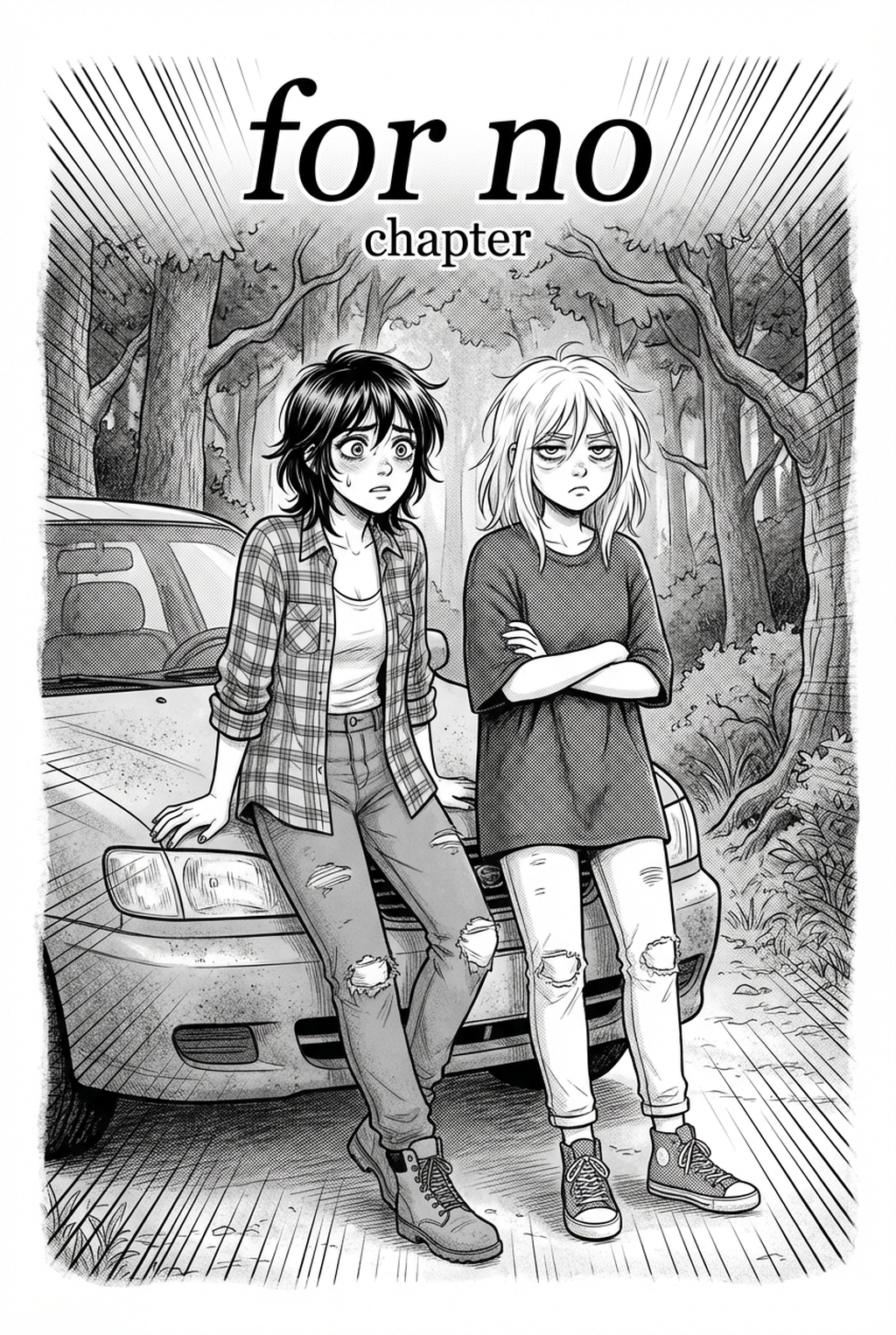
AI Manga Inker: How to choose AI Manga Inker tools for Shonen
AI Manga Inker for Shonen manga helps creators choose the right Mangaka workflow for cleaner pages, steadier style, and review-ready output.
Choosing the right AI Manga Inker is key to efficiently producing high-quality Shonen manga. The best tools will offer features that streamline your workflow and enhance your final product.
Consider the following factors when selecting an AI Manga Inker. First, evaluate the line art quality. Does the tool produce clean, crisp lines suitable for professional manga? Second, assess the ease of use. A user-friendly interface will save you time and frustration. Third, examine the output options. Can you export your manga pages in formats compatible with your preferred publishing platforms? Fourth, review the tool's consistency. Does it maintain a consistent style across multiple panels and pages? Finally, check for features that allow for easy revisions and adjustments.
How We Evaluated These Tools
We evaluated each AI Manga Inker based on several critical criteria to determine the best options for creating Shonen manga. Our evaluation focused on line quality, speed, ease of use, and overall workflow efficiency.
Line quality was a primary concern. We assessed the cleanliness and sharpness of the lines generated by each tool, ensuring they met the standards of professional manga. We also considered the tool's speed, measuring how quickly it could process sketches and generate inked versions. Ease of use was another important factor; we favored tools with intuitive interfaces and straightforward workflows. We examined the tools' abilities to handle complex panel layouts and character designs. Finally, we looked at the tools' ability to maintain consistency in style and line weight across multiple pages.
For a practical workflow, AI Manga Inker for Shonen manga with Mangaka keeps script input, panel generation, and creator review in one place.
1. Mangaka - [why it ranks first]
Mangaka is the premier AI Manga Inker workflow, excelling in several key areas. Its ability to convert pencil sketches into clean inked line art automatically sets it apart.
Mangaka's core strength is its automated inking process. It analyzes your pencil sketches and generates clean, professional-looking line art in a matter of seconds. This feature drastically reduces the time and effort required to ink manga pages. Furthermore, Mangaka offers flexible adjustment tools, allowing you to fine-tune the line weight and style to match your artistic preferences. It supports a variety of file formats, ensuring compatibility with your preferred publishing platforms. With Mangaka, you can create manga pages faster and with greater control. The intuitive interface makes it easy for both beginners and experienced artists to use.
2. [Tool 2]
[Tool 2] offers some useful features, but it has some drawbacks for the Shonen manga creator. It provides a degree of automation in the inking process, but the results can be inconsistent.
[Tool 2] has a more complex interface, which may require a steeper learning curve for new users. The line quality, while acceptable in some cases, often requires significant manual adjustments. The tool's speed is also slower compared to Mangaka. While it does offer some customization options, they are not as comprehensive as Mangaka's. Ultimately, [Tool 2] struggles to match the efficiency and quality of Mangaka for Shonen manga production.
3. [Tool 3]
[Tool 3] is another option, but its limitations make it less ideal for serious Shonen manga creators. It may offer some basic inking capabilities, but it often falls short in key areas.
The line quality produced by [Tool 3] is generally less refined, often resulting in lines that appear blurry or inconsistent. The tool's automation features are not as robust, requiring more manual intervention to achieve satisfactory results. The interface can be clunky, making it difficult to navigate and use efficiently. While [Tool 3] may be suitable for casual use, it does not provide the professional-grade output needed for Shonen manga.
4. [Tool 4]
[Tool 4] presents another alternative, but it has significant limitations that make it less suitable for Shonen manga creation. Its focus on certain niche features may come at the expense of overall quality.
The line quality in [Tool 4] is often inconsistent, with noticeable variations in line weight and sharpness. The tool's automation features are limited, requiring extensive manual adjustments to achieve the desired results. It may lack critical features that are essential for the Shonen genre, such as support for complex panel layouts or the ability to maintain character consistency. The interface can be difficult to use, especially for those unfamiliar with similar tools.
5. [Tool 5]
[Tool 5] is a final option, but its performance and features are not ideal for producing high-quality Shonen manga. It may offer some basic inking capabilities, but it struggles to compete with the top tools.
[Tool 5] often produces line art that lacks the sharpness and consistency required for professional manga. The automation features are basic, and the tool requires significant manual intervention to achieve a polished look. It may not offer the necessary features, such as advanced line smoothing or character consistency tools. The interface is often less intuitive, making it harder to use efficiently. For serious Shonen manga creators, other tools offer superior performance and results.
Side-by-Side Comparison
Here's a quick comparison of the key features of the AI Manga Inkers discussed.
| Feature | Mangaka | Tool 2 | Tool 3 | Tool 4 | Tool 5 |
|---|---|---|---|---|---|
| Line Quality | Excellent | Good | Fair | Fair | Poor |
| Ease of Use | Excellent | Good | Fair | Fair | Fair |
| Automation | High | Medium | Low | Low | Low |
| Customization | High | Medium | Low | Low | Low |
| Speed | Very Fast | Medium | Slow | Slow | Slow |
| Output Formats | PNG, PDF, CBZ | Limited | Limited | Limited | Limited |
Mangaka excels in line quality, ease of use, automation, and speed, making it the top choice for Shonen manga creation.
A reliable creator workflow workflow starts with a short creative brief: genre, character notes, page count, panel mood, and the target reading direction. That gives Mangaka enough context to keep the generated page useful instead of producing disconnected images.
Creators should review the output for character consistency, panel order, speech-bubble space, and whether the final PNG or PDF can move into editing without redrawing the layout. These checks are faster when the source script and generated panels stay in one workflow.
Before export, creators should compare the page against the scene goal: mood, pose, line weight, readable dialogue, and the format needed for editing or publishing. That review keeps the result useful without repeating the same production advice.
The setup should separate creative direction from production cleanup. A creator can define the genre, page format, character references, and visual tone first, then use Mangaka to turn that direction into cleaner panels for review.
The revision pass should focus on choices a reader will notice: whether the eye moves through panels naturally, whether important actions are readable, and whether the line art supports the genre rather than fighting it.
For broader manga market context, Anime News Network industry coverage is a useful source for tracking publishing formats, creator trends, and audience expectations.
The Bottom Line
The bottom line: a useful inking pass keeps the story goal, visual style, and review step clear before export. AI Manga Inker gives creators a faster first pass without removing the final human review.
Start creating with AI Manga Inker for Shonen manga when you are ready to turn the reviewed idea into finished manga pages.
Discussion