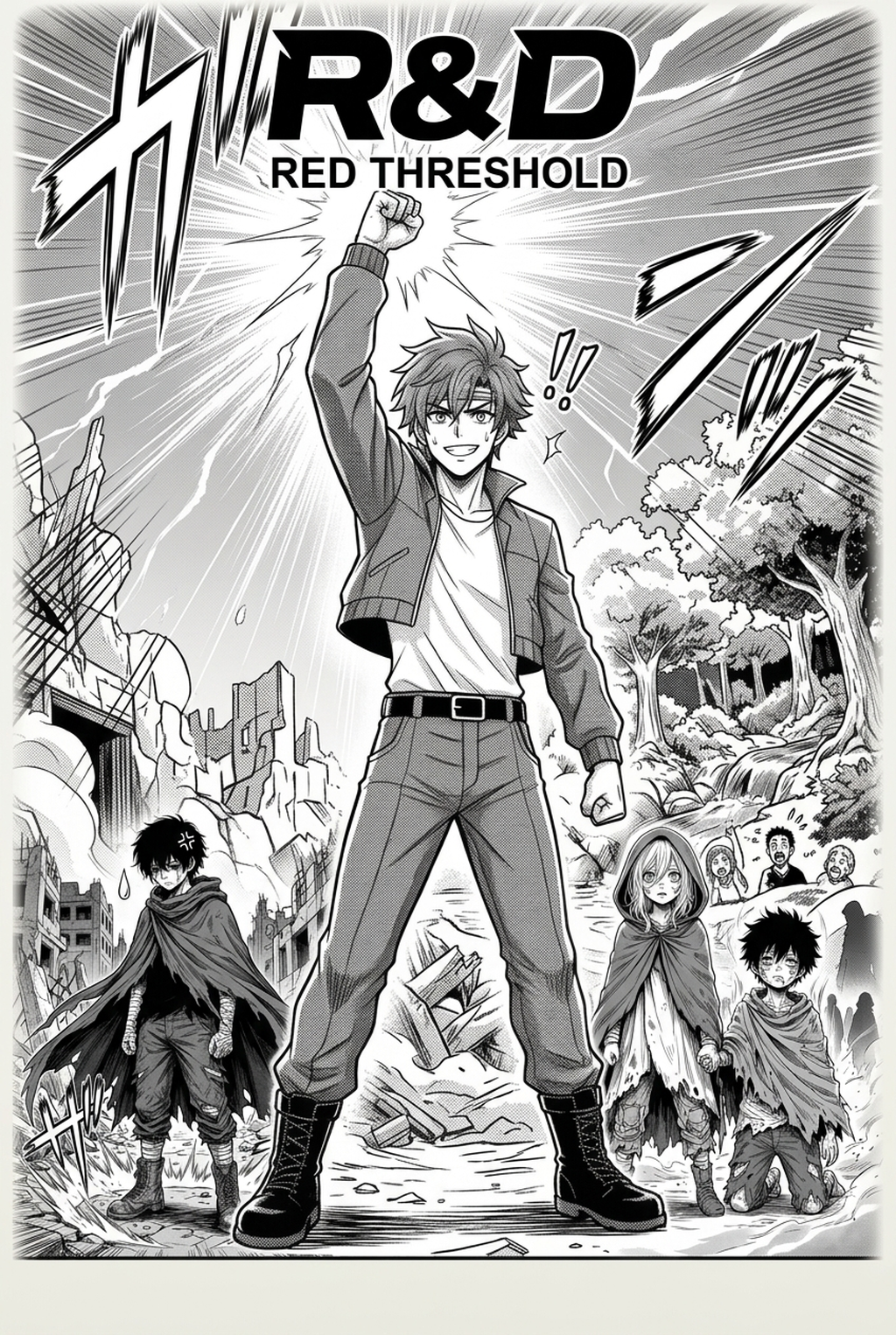
AI Manga Inker for Shonen manga helps creators compare generation speed, manual art control, line quality, and Shonen page-readiness before choosing a production workflow. The main tradeoff is fast first-pass page output versus deeper manual control before export.
AI Manga Inker: Why Hobby Artists Create Shonen Manga in 2026
The Anime News Network feature on how manga is made describes manga as staged work from rough draft to finished page. That production context matters for Shonen creators because AI assistance is useful only when the sketch, inking pass, and final page review stay connected.
The energy and drive behind Shonen manga continue to captivate audiences worldwide, inspiring countless aspiring artists to pick up their pencils. In 2026, the landscape for these creators is marked by a passion for epic storytelling and a desire to contribute to this vibrant genre. The appeal lies in its focus on growth, friendship, and overcoming challenges – themes that resonate deeply with creators and readers alike.
Reader Expectations and Visual Quality
Many hobby artists find themselves under immense pressure to produce a consistent flow of pages. The sheer volume required for a weekly or monthly manga release, even for personal projects, can feel daunting. This constant demand means that efficient processes are not just helpful, they are essential for maintaining momentum and avoiding burnout. Artists often set ambitious page goals, aiming to tell their stories without the long production cycles traditionally associated with manga creation.
Where Style Consistency Breaks
Maintaining a consistent art style across dozens or hundreds of pages is a significant challenge. During the inking process, subtle variations in line weight, stroke smoothness, and detail can creep in, especially when working under tight deadlines. This inconsistency can detract from the overall professional feel of a manga. For Shonen, where dynamic poses and detailed environments are common, achieving this visual uniformity across every panel requires meticulous attention.
Hobby Artists Pain Points
The journey from initial sketch to finished artwork often presents several common frustrations for hobbyists. These roadblocks can slow down progress and impact the final quality of the work, particularly when aiming for the demanding visual standards of Shonen manga.
Line Art and Panel Readability
Achieving clean, crisp line art that enhances panel readability is crucial. Pencil sketches, by their nature, can be messy. Transferring these to a clean ink line requires careful control over linework, ensuring that important details are clear and the overall composition guides the reader's eye effectively. For Shonen, this includes rendering fast-paced action sequences and conveying character emotions through precise linework, which can be time-consuming to perfect manually.
Revision Time and Export Risk
The revision stage can consume a substantial amount of time, especially when correcting inking errors or inconsistencies. Making manual changes to inked art can be tedious, and there's always a risk of introducing new issues with each alteration. Furthermore, preparing artwork for export in various formats and resolutions adds another layer of complexity, often leading to frustration and delays before the work can be shared or published.
How AI Manga Inker Fits the Hobby Artists Workflow
AI Manga Inker offers a powerful solution to streamline the inking process, allowing hobby artists to transform their pencil sketches into polished line art with remarkable efficiency. It’s designed to integrate smoothly into existing creative habits, enhancing rather than replacing the artist's touch.
Workflow Fit for Creator Output
By automating the conversion of pencil sketches to clean, black and white line art, AI Manga Inker drastically reduces the manual labor involved in inking. This means you can spend less time tracing and refining lines and more time on storyboarding, character design, or developing plot points. The tool is built to handle the unique demands of manga panels, ensuring that the dynamic energy of your Shonen concept translates effectively into the final artwork. Learn more about how it can help you at AI Manga Inker for Shonen manga with Mangaka .
Review Controls Before Export
While the AI handles the heavy lifting of inking, you remain in complete control. The system provides intuitive review options, allowing you to assess the generated line art and make any necessary adjustments. Keeps genre expectations visible for readers who scan action, character acting, and page rhythm quickly. Shonen inking should therefore preserve panel clarity, not just produce cleaner lines.
Real Use Cases for Hobby Artists
AI Manga Inker proves its value in a variety of scenarios for hobbyist Shonen manga creators, significantly boosting productivity and quality. This keeps the review focused on story intent, line weight, panel readability, and the export quality behind the final AI Manga Inker output.
Scenario Fit and Creator Goals
For artists aiming to produce a large number of pages for a competition, a webcomic launch, or a personal project backlog, this tool is invaluable. It excels in scenarios where speed and consistency are paramount, such as quickly inking multiple character designs for a new arc, cleaning up rough action sequences, or ensuring uniformity in background elements across numerous panels. The ability to generate clean line art from raw sketches allows creators to move rapidly from concept to final output.
Page Cases and Manga Genre Fit
Even with AI assistance, there are moments where an artist's specific touch is irreplaceable. This includes fine-tuning subtle emotional nuances in character faces, adding unique stylistic flourishes to key action moments, or ensuring perfect continuity in complex transformations. AI Manga Inker complements these artistic decisions by providing a solid, clean base that you can then selectively refine with your own hand, preserving the artistic integrity of your Shonen vision.
ROI / Time Saved for Hobby Artists
The adoption of AI Manga Inker can yield significant returns on investment, primarily through substantial time savings and a reduction in revision workload. Creators can use each revision decision to clarify panel readability, character consistency, and export quality before publishing or sharing.
Creator Constraints and Publishing Risk
Imagine cutting down the hours spent meticulously inking each panel by 50% or more. This reclaimed time can be reallocated to critical aspects of your creative process, such as plot development, character arcs, or even simply enjoying a better work-life balance. The AI’s ability to produce clean lines from sketches also reduces the need for extensive revisions, minimizing the frustrating back-and-forth that often plagues manual inking.
Reader Expectations and Export Quality
- Brief requirements. Creators should define the scene goal, character references, page count, reading direction, and target B&W manga panels. This keeps the inking workflow tied to a real Shonen page instead of producing disconnected line art.
- Visual quality. Review line weight, facial expression, pose clarity, panel order, and speech-bubble space before export. These checks matter for Shonen pages because action beats and emotional pauses must read quickly.
- Export readiness. Confirm the final PNG, PDF, or editable file can move into lettering, coloring, or layout cleanup without rebuilding the page. A clear export routine keeps the next chapter faster.
- Review ownership. Separate story feedback from art feedback so one pass checks pacing, another checks panel readability, and the final pass checks file quality. Clear status labels prevent assistants or editors from polishing the wrong version.
Budget is often a primary concern. AI Manga Inker offers a cost-effective solution compared to hiring an external inker or investing in expensive software and hardware for more traditional digital methods. The tool provides professional-grade results at an accessible price point, making it a smart financial decision for those serious about their manga creation goals without breaking the bank.
Release cadence belongs in the production context for manga tools. For creators, the useful product question is whether pages stay readable when schedule pressure rises. Export quality depends on whether the creator can still adjust cleanup, line weight, and handoff settings after AI assistance. Wacom comic and manga creation guidance ties that point to drawing practice instead of broad AI-image claims.
- Reader expectations. MyAnimeList manga news keeps genre expectations visible for readers who scan action, character acting, and page rhythm quickly. Shonen inking should preserve panel clarity, not just cleaner lines.
- Drawing practice. Wacom's comic and manga creation guide ties tool choice to brush control, cleanup effort, and export readiness. That keeps review grounded in creator workflow.
The Bottom Line
A useful inking pass keeps the story goal, visual style, and review step clear before export. AI Manga Inker gives creators a faster first pass without removing the final human review. That extra context helps the reader connect the creative choice to character consistency, composition, speech-bubble space, and final file format.
Start creating with Shonen manga inking workflow with Mangaka when you are ready to turn the reviewed idea into finished manga pages. Test it with one real page goal, one reference boundary, and one export requirement so the decision stays tied to production quality.
Discussion