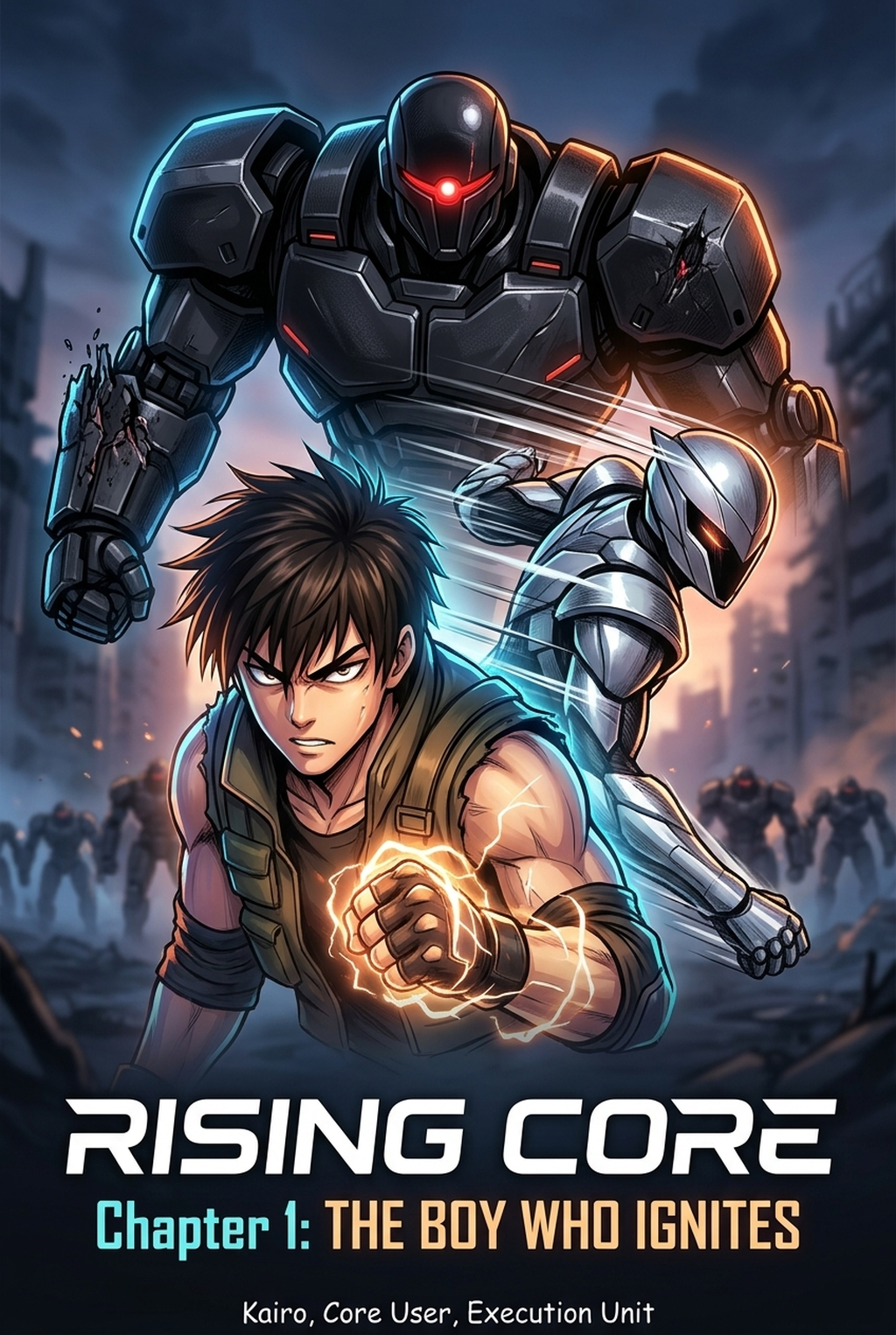
What Is Manga Colorization?
The Anime News Network feature on how manga is made describes manga as staged work from rough draft to finished page. That production context matters for manga creators because AI assistance is useful only when the sketch, inking pass, and final page review stay connected.
Creators need practical context before they can judge whether manga colorization belongs in their production process. You should connect each recommendation to the story goal, visual decision, review owner, and export outcome. This keeps the review focused on story intent, line weight, panel readability, and the export quality behind the final AI Manga Colorist output.
AI Manga Colorist workflow should solve a specific creator problem instead of repeating a broad manga workflow. The first review area is historical context: from hand-painted cel coloring to digital flatting, so creators can compare the result against story role, panel readability, and export quality. That keeps the output useful when readers scan the page quickly.
AI Manga Colorist should stay tied to the creator's brief, panel purpose, and export review instead of becoming a broad AI-art checklist. The next review area is connect the creative brief, panel readability, revision owner, and export quality before publishing, because a strong manga result needs both visual appeal and production discipline.
Creators should also save the reason behind each accepted output, not just the final image. A short note about panel purpose, character continuity, line weight, and export format makes later revisions easier because the next pass can improve a specific weakness instead of regenerating the whole page.
Why AI Manga Colorist Matters for Manga Creators
Creators lose time when rough sketches, line weight, panel readability, and export cleanup are reviewed in separate passes. You should judge creator workflow by how much first-pass cleanup it removes without weakening the story beat or character intent. Coloring workflow should solve a specific creator problem instead of repeating a broad manga workflow. The first review area is enhanced reader engagement and visual storytelling for digital platforms, so creators can compare the result against story role, panel readability, and export quality.
How Manga Colorization Works with Mangaka
If your main pain point is rough sketches, line-weight drift, unclear panels, inconsistent characters, or export cleanup, Mangaka should be judged against those exact problems. Mangaka connects the creator brief to manga-specific output so creators can review readability, style consistency, and export quality together.
Page planning workflow should solve a specific creator problem instead of repeating a broad manga workflow. The first review area is connect the creative brief, panel readability, revision owner, and export quality before publishing, so creators can compare the result against story role, panel readability, and export quality.
For Product Fit. manga colorization should answer the exact creator pain points: rough sketches, line-weight drift, panel readability, character consistency, and export cleanup. Adds full color to B&W manga pages while preserving original line work. That keeps the first pass close enough for creator review instead of forcing the artist to redraw the whole page. Finally, creators should automating the delivery format for high-resolution web publication so revision notes stay tied to the actual page or character goal.
Use Cases for AI Manga Colorist
Your production process should connect the creative brief to the page problem it is meant to solve. Creators can use this part to decide whether the keyword fits character exploration, sketch cleanup, panel layout, inking, coloring, or final export review.
- Chapter cadence. Use the AI pass for pages where speed matters most, such as repeated action poses, transformation beats, or dense speed-line panels. Keep manual cleanup for hero panels where the line style defines the emotional peak.
- Character continuity. Compare the generated lines against the same model sheet, costume notes, and facial-expression range used during sketching. This prevents a fast inking pass from drifting away from the character identity readers recognize.
- Export readiness. Check whether the final manga output can move into lettering, coloring, or final layout without rebuilding panel borders or speech-bubble space. A good manga workflow should save time while keeping the next production step predictable.
How to Get Started with Mangaka
** creator workflow should solve a specific creator problem instead of repeating a broad manga workflow. The first review area is step 1: preparing your high-resolution line art for processing, so creators can compare the result against story role, panel readability, and export quality.
Release cadence belongs in the production context for manga tools. For creators, the useful product question is whether pages stay readable when schedule pressure rises. Export quality depends on whether the creator can still adjust cleanup, line weight, and handoff settings after AI assistance. Wacom comic and manga creation guidance ties that point to drawing practice instead of broad AI-image claims.
- Reader expectations. MyAnimeList manga news keeps genre expectations visible for readers who scan action, character acting, and page rhythm quickly. Shonen inking should preserve panel clarity, not just cleaner lines.
- Drawing practice. Wacom's comic and manga creation guide ties tool choice to brush control, cleanup effort, and export readiness. That keeps review grounded in creator workflow.
The Bottom Line
A useful coloring pass keeps the story goal, visual style, and review step clear before export. AI Manga Colorist gives creators a faster first pass without removing the final human review. Creators can use each revision decision to clarify panel readability, character consistency, and export quality before publishing or sharing.
Start creating with manga colorization when you are ready to turn the reviewed idea into finished manga pages. Test it with one real page goal, one reference boundary, and one export requirement so the decision stays tied to production quality.

Discussion